Solo Travel in Japan: Complete Guide for First-Time Travellers
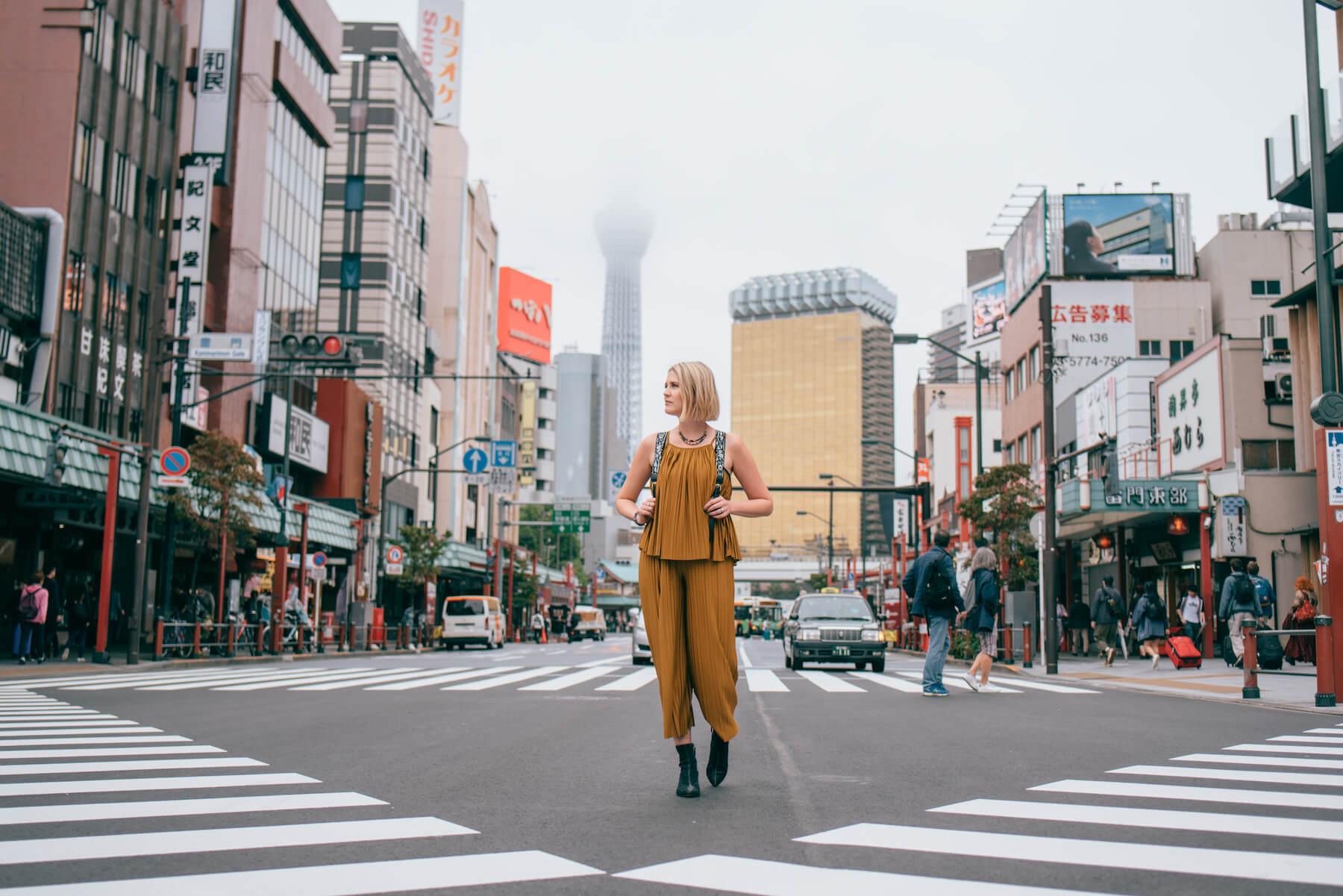
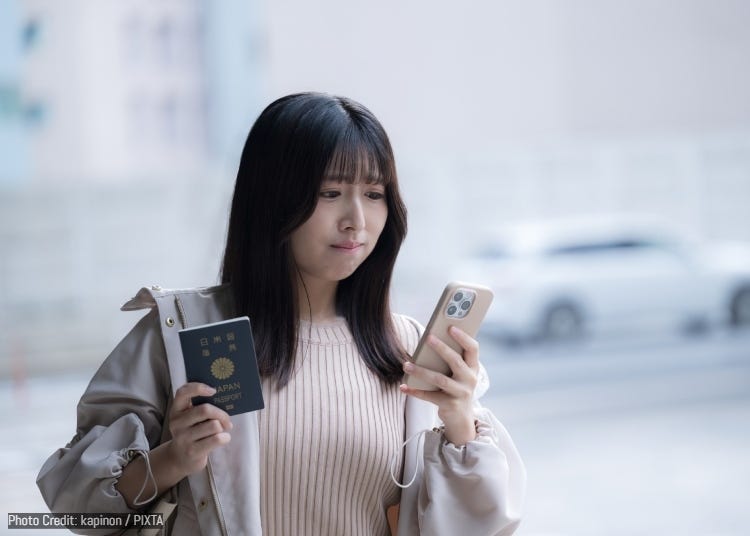
Travelling alone in Japan can initially feel intimidating.
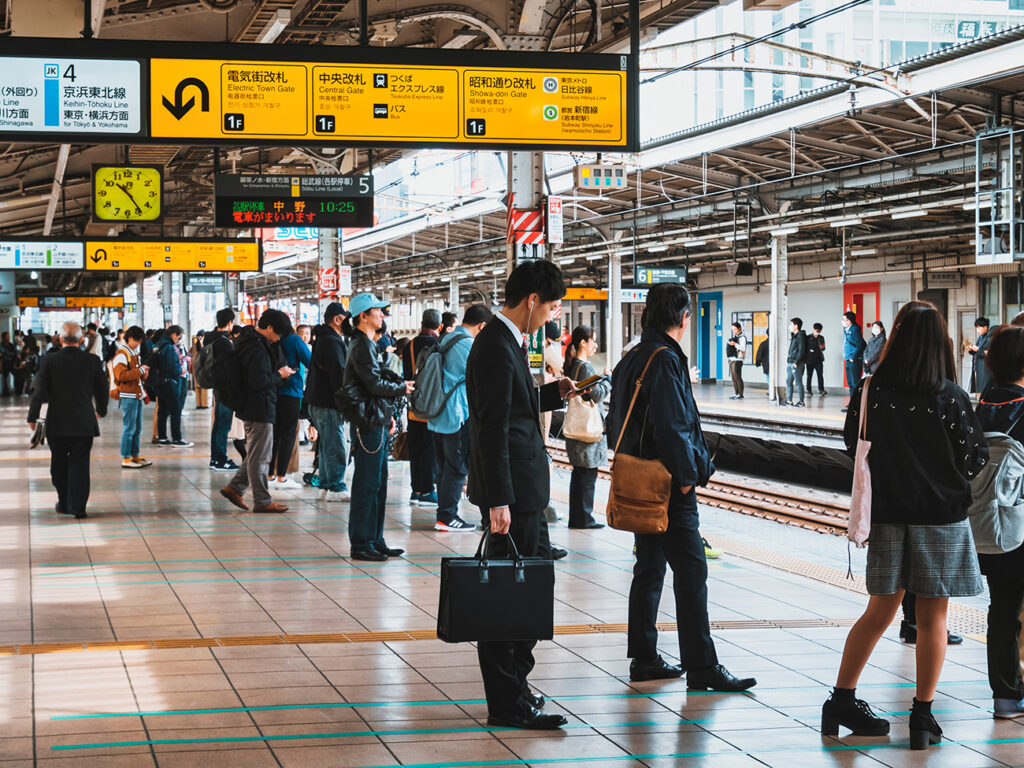
The language is unfamiliar, train stations can resemble underground cities, and travelling thousands of kilometres without a companion may leave you wondering whether you will feel lost or lonely.
In reality, Japan is one of the easiest destinations in which to experience solo travel.
Public transportation is extensive, eating alone is completely normal and many hotels, restaurants and activities work particularly well for individual travellers. You can change your plans without negotiating with anyone, spend three hours inside a temple or leave an attraction after ten minutes without feeling guilty.
I have travelled around Japan alone, and what stayed with me was not a feeling of isolation. It was the freedom to observe the country at my own pace.
This guide explains how to plan a solo trip to Japan, where to stay, how to remain safe and how to make the experience enjoyable without turning every day into a checklist.
This guide contains affiliate links. If you make a booking through one of these links, I may receive a small commission at no additional cost to you. This helps me keep my Japan travel guides updated.
Is Japan Good for Solo Travel?
Yes. Japan is an excellent destination for solo travellers, including people taking their first trip alone.
Its main advantages are:
- Reliable public transportation
- Low levels of crime
- Restaurants designed to accommodate individual customers
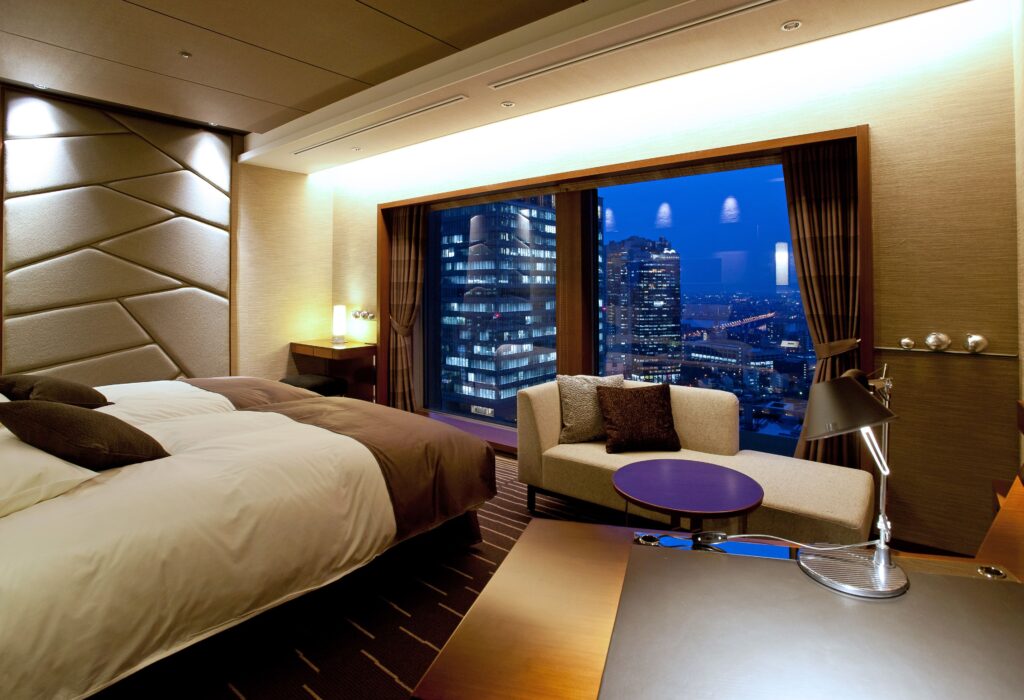
- Compact business hotels with single rooms
- Clear signs in major stations and tourist areas
- Numerous activities that can be enjoyed without a group
- A culture in which spending time alone is not unusual
Japan is widely considered a safe destination, but safe does not mean risk-free. Visitors should still use normal precautions, protect their belongings and remain particularly careful around nightlife districts and unfamiliar bars.
The biggest difficulties are usually not related to crime. They are more likely to involve navigating large stations, managing luggage, dealing with the language barrier or feeling overwhelmed by the number of places you could visit.
Solo Trip Essentials
Prepare the essentials before travelling alone
Reliable internet, suitable accommodation and travel insurance make it much easier to manage unexpected situations without a travel companion.
Compare eSIM options for Japan
Check travel insurance for Japan
Search solo-friendly hotels in Tokyo
Is Japan Safe for Solo Travellers?
Japan has a low crime rate and most visitors feel comfortable using public transportation or walking through central neighborhoods after dark. JNTO nevertheless recommends remaining aware of your surroundings and taking the same basic precautions you would use in any other country.
Keep your passport, credit cards and cash in separate places. Store digital copies of your passport, insurance policy and bookings online so that you can access them from another device.
Avoid following street touts into bars or clubs, particularly in busy nightlife districts. Do not leave drinks unattended, and check prices before ordering in establishments without clearly displayed menus.
If you lose something, visit the nearest koban, one of the small neighborhood police boxes found throughout Japan. Japanese lost-property systems are efficient, but you will normally need a police report when claiming through travel insurance.
Emergency Numbers in Japan
Save these numbers before departure:
Police: 110
Ambulance and fire: 119
JNTO Japan Visitor Hotline: 050-3816-2787
From outside Japan: +81-50-3816-2787
The JNTO hotline operates 24 hours a day, 365 days a year, providing assistance in English, Chinese and Korean during accidents, emergencies and other travel difficulties.
Also save the address and telephone number of every hotel in Japanese. This can be useful when asking for help or taking a taxi.
Is Japan Safe for Solo Female Travellers?
Japan is generally considered a comfortable destination for women travelling alone.
Women-only train carriages operate on certain urban lines, normally during specific rush-hour periods. They are clearly marked on the platform and should not be confused with permanently reserved carriages.
However, solo female travellers should not abandon normal precautions.
Avoid empty streets late at night when a well-lit alternative is available. Stay in established accommodation with recent reviews and 24-hour reception when possible. Be cautious with strangers who insist on taking you to another venue, and do not assume that low crime means harassment never occurs.
Women-only floors or female-only hostels are available in Tokyo, Kyoto and Osaka. These can provide additional comfort, although a well-reviewed regular hotel in a central location may be equally suitable.
Where Should Solo Travellers Stay in Japan?
For a solo trip, location is usually more important than room size.
A cheaper hotel requiring multiple transfers or a long walk through quiet streets can create unnecessary stress. Choose accommodation close to a useful station, even when this means paying slightly more.
Where to Stay Alone in Tokyo
The most convenient areas include:
Shinjuku: excellent transport connections, restaurants, nightlife and direct access to many parts of Tokyo. The station is enormous, so check exactly which exit is closest to your hotel.
Ueno: easier to navigate than Shinjuku, with convenient airport connections and access to Asakusa, Akihabara and northern Tokyo.
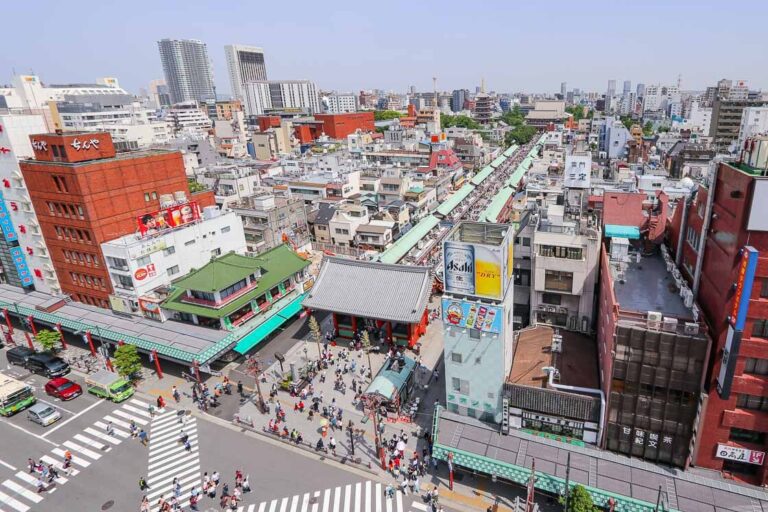
Asakusa: quieter in the evening and suitable for travellers who prefer a more traditional atmosphere.
Shibuya: ideal for nightlife, shopping and first-time visitors who want to remain in a lively central area.
For most solo travellers, I would choose Ueno for convenience and value or Shinjuku for transport and nightlife.
ALso read // Where to stay in Tokyo
Where to Stay Alone in Kyoto
Kyoto Station is practical for travellers making day trips or continuing towards Osaka and Hiroshima.
Kawaramachi and Gion are better for restaurants, evening walks and access to central Kyoto. However, accommodation in the historic districts can be more expensive.
Also read // Kyoto accomodation guide
Where to Stay Alone in Osaka
Choose Namba for food, nightlife and easy access to Dotonbori.
Choose Umeda for railway connections and a more convenient departure towards Kyoto, Kobe or other regions.
Also read // Where to stay in Osaka
Find Accommodation for Your Solo Trip
Stay near a useful station
A central hotel can save time, reduce late-night walking and make train transfers much easier when you are managing the entire trip alone.
Search hotels in Tokyo
Search hotels in Kyoto
Search hotels in Osaka
Hotels, Hostels or Capsule Hotels?
Each type of accommodation offers a different solo travel experience.
Business Hotels
Business hotels are usually the most practical option.
Rooms may be small, but they normally include a private bathroom, desk, toiletries and everything needed for a short stay. They also provide more privacy than a hostel without the price of a luxury hotel.
Hostels
Hostels can be useful when you want to meet other travellers.
Choose properties offering both common spaces and privacy curtains or private rooms. Read recent reviews carefully: some hostels are highly social, while others function almost entirely as inexpensive dormitories.
Capsule Hotels
A capsule hotel can be an interesting experience for one night, but I would not use one as the main accommodation for a long trip.
Space for luggage is limited, bathrooms are shared and guests may need to vacate sleeping areas during daytime cleaning hours.
Ryokan
A traditional ryokan is one of Japan’s most memorable accommodation experiences.
Solo rooms are not always available, particularly in properties where dinner and breakfast are included. Search early and check whether the quoted price is per room or per person.
Is Eating Alone in Japan Awkward?
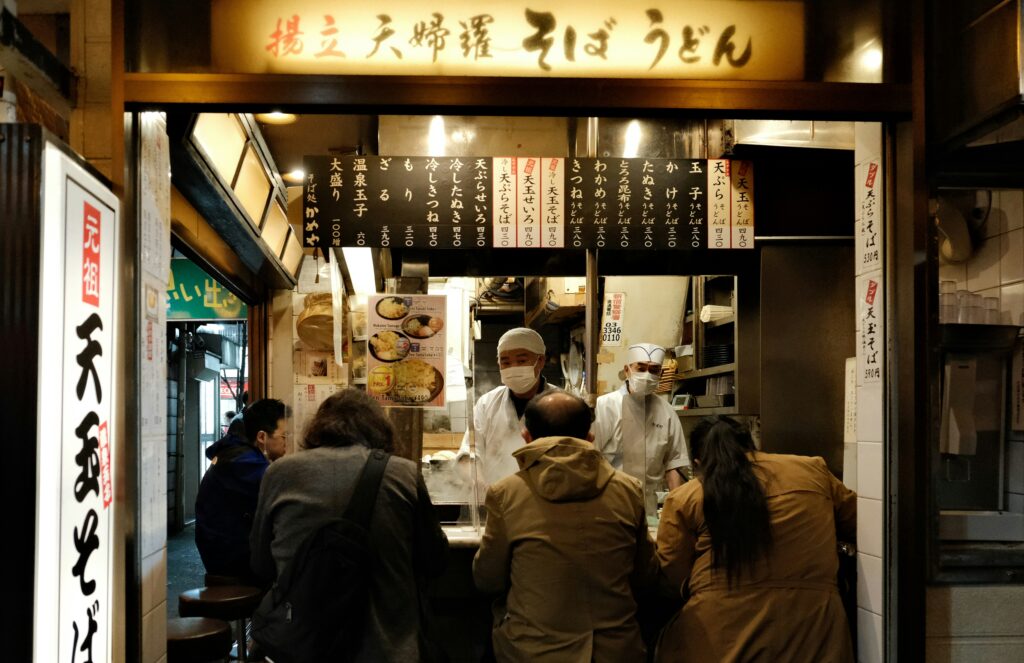
Eating alone is completely normal in Japan.
Many ramen restaurants, sushi counters, cafés and casual chains have counter seating designed for individual customers. In some restaurants you order from a vending machine before sitting down, reducing the need for a long conversation.
Good solo dining options include:
- Ramen counters
- Conveyor-belt sushi
- Soba and udon restaurants
- Department-store food halls
- Small curry restaurants
- Standing sushi or yakitori counters
- Convenience-store meals for an occasional quiet evening
You do not need to eat every meal inside a convenience store simply because you are alone.
Avoid only the busiest restaurants clearly designed around sharing several large dishes. Even then, staff will usually tell you whether individual portions are available.
Read also // Find the best places to eat using Tabelog and more 5 essential apps for your trip
How to Meet People While Travelling Alone
Solo travel does not require spending the entire trip without speaking to anyone.
The easiest way to meet people naturally is to join one structured activity rather than trying to start conversations randomly.
Useful options include:
- A food tour
- A cooking class
- A small-group walking tour
- A photography tour
- A bar-hopping experience
- A guided day trip
- A workshop involving ceramics, calligraphy or traditional crafts
These activities give you a social experience without requiring you to surrender control of your entire itinerary.
Join a Small-Group Experience
A food tour, cooking class or small-group experience can help you meet other travellers while discovering places that are harder to understand independently.
Find small-group experiences in JapanHow to Travel Around Japan Alone
Japan’s transport system is efficient, but the number of lines and operators can initially be confusing.
Use an IC Card
A rechargeable IC card can be used on most urban trains, subways and buses. It removes the need to calculate a separate fare for every short journey.
Keep Mobile Data Active
Internet access is essential for:
- Checking train platforms
- Finding the correct station exit
- Translating signs or menus
- Accessing hotel confirmations
- Receiving disruption and weather alerts
- Contacting your accommodation
For a solo traveller, losing connectivity is more than a minor inconvenience. It removes your most useful navigation and communication tool.
Also read // Best eSIM for Japan
Do Not Trust the First Route Automatically
Navigation apps sometimes recommend a theoretically fast route involving several difficult transfers.
When two options differ by only a few minutes, choose the route with fewer changes. It is often easier, particularly when carrying luggage.
Add an internal link to your article about Japan travel apps.
Forward Large Luggage
Japan’s luggage-delivery services, known as takuhaibin, can send suitcases between hotels and major airports. Many hotels can help guests complete the delivery form and arrange collection at reception.
Keep a small overnight bag with you because delivery between cities may not be immediate.
This service is particularly useful when:
- Changing cities frequently
- Staying one night in a ryokan
- Using crowded trains
- Visiting rural destinations
- Travelling during winter
Read also // Luggage forwarding in Japan Guide
A Simple First Solo Trip to Japan
For a first journey, do not build an itinerary requiring a different hotel every night.
A comfortable 10-day route could be:
Days 1–4: Tokyo
Explore different parts of the city and take one optional day trip.
Days 5–7: Kyoto
Visit eastern Kyoto, Fushimi Inari and either Arashiyama or northern Kyoto.
Days 8–9: Osaka
Explore Namba, Dotonbori, Umeda and the city’s food culture.
Day 10: Departure
This itinerary provides enough variety without requiring complicated rural transportation.
For a longer trip, add Hiroshima, Kanazawa, Takayama or a hot-spring town rather than simply adding more rushed days to Tokyo and Kyoto.
Insert internal links to:
- your two-week Japan itinerary
- Tokyo districts guide
- where to stay in Kyoto
- where to stay in Osaka
Common Solo Travel Mistakes in Japan
Changing Hotels Too Frequently
Every hotel change involves packing, checking out, storing luggage, travelling and checking in again.
Staying three or four nights in each city is usually more enjoyable than sleeping in seven different places.
Planning Every Minute
Travelling alone gives you flexibility. Do not remove that advantage by creating a schedule with no room for spontaneous decisions.
Plan one principal area or activity for each half-day and leave space for discoveries.
Carrying Too Much Luggage
Nobody else will help you lift your suitcase onto trains, through stations or up narrow hotel stairs.
Pack lighter than you would for a conventional group trip and use luggage forwarding where useful.
Remaining Only Inside the Tourist Bubble
Joining tours can be valuable, but do not organize the entire trip around English-language group activities.
Spend time walking through residential neighborhoods, local shopping streets and small restaurants where the experience is less curated.
Assuming You Will Never Feel Lonely
Feeling lonely for a few hours does not mean the trip is failing.
Join an activity, call someone at home, spend an evening in a social hostel space or simply slow down. Solo travel includes quiet moments as well as exciting ones.
Is Solo Travel in Japan Expensive?
Travelling alone can cost more because you cannot divide hotel rooms, taxis or private guides with another person.
However, Japan also provides several ways to control the cost:
- Business hotels with compact rooms
- Inexpensive counter restaurants
- Reliable public transportation
- Free temples, shrines, parks and neighborhoods
- Hostels and guesthouses
- Affordable set lunches
- Highway buses for selected routes
Accommodation is the category in which solo travellers usually notice the greatest disadvantage. Reserve early and compare the total cost of staying farther away with the value of being close to a major station.
Travel Insurance for a Solo Trip
Travel insurance is valuable for every international trip, but it becomes particularly important when nobody else is travelling with you.
Your policy should match your destination, planned activities and potential emergency expenses. Official foreign-travel guidance recommends checking that insurance covers the full itinerary and the activities you plan to undertake.
Check coverage for:
- Medical treatment
- Emergency transportation
- Trip interruption
- Flight cancellation
- Lost or delayed luggage
- Electronics
- Hiking, skiing or other planned activities
Do not claim that one insurance company is universally best. Compare policy limits, exclusions and deductibles rather than only the purchase price.
Before departure, compare travel insurance policies covering your complete Japan itinerary and planned activities.
Preparing for Earthquakes and Extreme Weather
Japan experiences earthquakes, typhoons, heavy rainfall and other natural events. Most trips are not seriously affected, but travellers should know how to receive information and follow instructions.
Before departure:
- Enable emergency alerts on your phone
- Save the address of every accommodation
- Follow instructions from hotel or station staff
- Keep a small amount of cash
- Carry a portable battery
- Monitor JNTO Japan Safe Travel information
- Download or bookmark multilingual safety resources
Do not attempt to leave a building during an earthquake unless instructed. Protect your head, stay away from falling objects and follow local guidance once the movement stops.
Frequently Asked Questions
Is Japan safe for travelling alone?
Japan is generally a safe destination with low crime levels, but travellers should still protect their belongings, avoid suspicious nightlife solicitations and remain aware of their surroundings.
Is Japan suitable for a first solo trip?
Yes. Reliable transportation, single-person restaurants and widespread tourist infrastructure make Japan one of the more manageable destinations for a first solo journey.
Is Japan safe for solo female travellers?
Japan is generally comfortable for women travelling alone. Certain train lines provide women-only carriages during designated hours, but normal precautions remain necessary.
Do I need to speak Japanese?
You do not need to speak Japanese to visit the main tourist destinations. Learning basic expressions and having reliable translation and navigation tools will nevertheless make the trip easier.
Is it normal to eat alone in Japan?
Yes. Counter seating and restaurants designed for quick individual meals are common, particularly in cities.
What is the best Japanese city for solo travellers?
Tokyo offers the greatest variety and transport network. Kyoto is excellent for independent cultural exploration, while Osaka is particularly suitable for food and nightlife.
How many days should a first solo trip last?
Between 10 and 14 days provides enough time to experience Tokyo, Kyoto and Osaka without changing accommodation constantly.
Can I stay in a ryokan alone?
Some ryokan accept solo guests, while others require two occupants or offer limited single availability. Search and reserve well in advance.
Final Thoughts
Solo travel in Japan is not simply a substitute for travelling with someone else.
It is a different way of experiencing the country.
You notice details that might disappear inside a group conversation. You can change direction without explaining yourself, spend more time in the places that interest you and gradually become more confident in handling unfamiliar situations.
There may be moments when a train station feels overwhelming or dinner feels quieter than expected. Those moments are part of the experience rather than evidence that you should not have travelled alone.
Prepare the essentials, choose convenient accommodation and avoid planning every hour.
Japan will take care of much of the rest.
I create realistic custom itineraries based on your dates, interests, preferred pace and comfort level—so you always know where to go without losing the freedom of travelling alone.
Discover my custom Japan planning service