7 Realistic Mistakes to Avoid on Your First Japan Trip

Planning your first trip to Japan is exciting—but also deceptively complex.
Most travelers follow the same “perfect” itinerary they see online: Tokyo, Kyoto, Osaka, packed into a tight schedule. On paper, it looks efficient. In reality, it often leads to exhaustion, confusion, and a constant feeling of rushing.
Japan is not difficult to travel—but its logistics are unforgiving if you get them wrong.
In this guide, we’ll break down 7 realistic mistakes to avoid on your first Japan trip, focusing on the practical issues that actually affect your experience on the ground.
1. Overestimating Your Daily Capacity
One of the most common mistakes is trying to do too much in a single day.
Japan involves a surprising amount of walking—often 20,000 steps or more per day—combined with complex train navigation and crowded environments. If your itinerary is too packed, you won’t enjoy the places you visit—you’ll just move between them.
The Problem
Many travelers plan days like this:
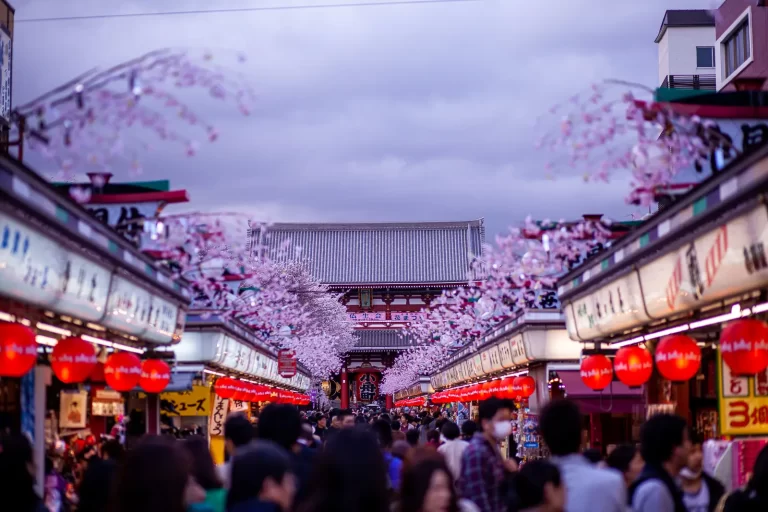
- Morning in Asakusa
- Afternoon in Shinjuku
- Evening in Shibuya
What looks reasonable on a map can easily turn into 3+ hours spent in transit.
The Fix: Use the “Zone Method”
Group your activities by area:
- Stay in North Tokyo (Asakusa, Ueno) for a full day
- Dedicate another day to West Tokyo (Shinjuku, Shibuya)
The same applies to Kyoto: avoid mixing distant areas like Arashiyama and Fushimi Inari in the same half-day.
Japan is best experienced at a walking pace—not from a train window.
2. Misunderstanding the Value of the JR Pass
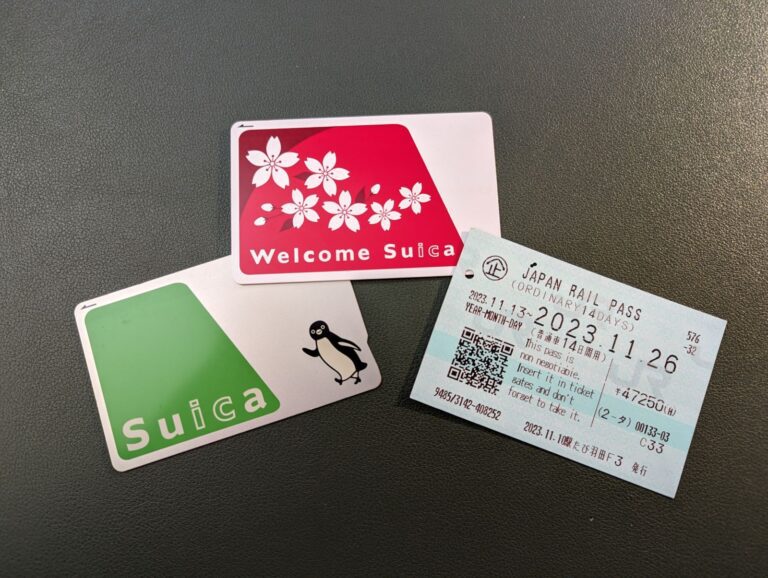
After the 2023 price increase, the JR Pass is no longer a default choice.
The Problem
Many travelers still buy a 7- or 14-day pass automatically—without calculating whether it’s actually worth it.
In most standard itineraries, this leads to overpaying by €100–€200+.
The Reality
The JR Pass only pays off if:
- You’re traveling long distances frequently
- You’re taking multiple Shinkansen rides in a short time
It also does NOT include the Nozomi trains (the fastest and most frequent option).
The Fix
- Use a JR Pass calculator before buying
- Consider individual Shinkansen tickets
- Look into regional passes instead
Flexibility is often more valuable than the pass itself.
3. Ignoring Luggage Forwarding (Takkyubin)
Dragging a large suitcase through Japan is one of the fastest ways to ruin your trip.
The Problem
- Crowded stations
- Limited space on trains
- Physical fatigue
Since 2020, oversized luggage on the Shinkansen requires special reservations.
The Fix: Use Takkyubin
Japan’s luggage forwarding service allows you to:
- Send your suitcase hotel to hotel
- Travel with just a backpack
- Avoid lockers and train stress
Cost: around €15–€25 per shipment
Delivery time: usually next day
It’s one of the highest value services in Japan—and most tourists ignore it.
Read also // Complete guide to using Takkyubin
4. Relying Only on Google Maps for Food
Google Maps works in Japan—but it’s not the best tool for food discovery.
The Problem
If you only follow:
- High ratings
- English reviews
You’ll end up in:
- Tourist-heavy restaurants
- Long queues
- Lower quality at higher prices
The Fix
Use local tools and strategies:
- Check Tabelog (Japanese review platform)
- Explore department store basements (depachika)
- Try small local restaurants—even without English signs
Important:
A 3.5 rating on Tabelog is excellent (much stricter than Google).
5. Underestimating Japan’s Cash Culture
Japan is modern—but still surprisingly cash-based.
The Problem
Many travelers rely entirely on:
- Credit cards
- Apple Pay / Google Pay
This can become an issue in:
- Small restaurants
- Temples
- Rural areas
The Fix
- Always carry 10,000–20,000 yen in cash
- Use an IC card (Suica or Pasmo) for daily transport and payments
IC cards work for:
- Trains and buses
- Convenience stores
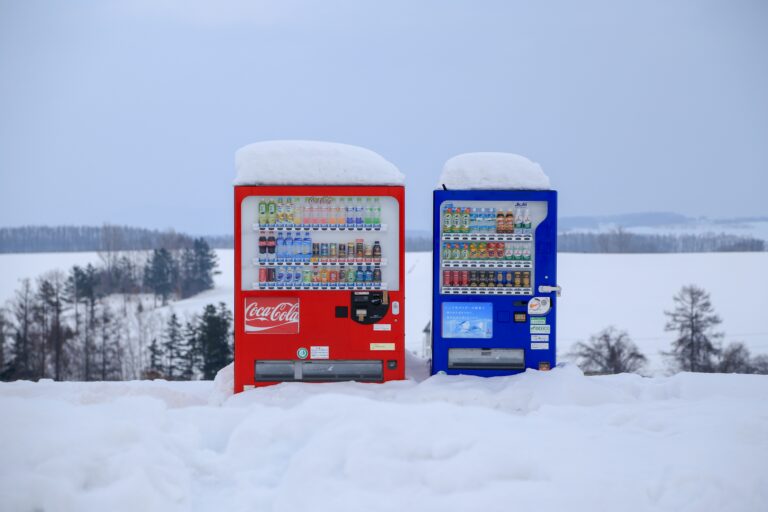
- Vending machines
They dramatically simplify your daily travel.
6. Staying Only in Major Tourist Area
Areas like Shinjuku (Tokyo) or Gion (Kyoto) seem convenient—but they come with trade-offs.
The Problem
- Higher prices
- Crowds and noise
- Less authentic atmosphere
The Fix: Stay Slightly Outside the Center
Look for neighborhoods like:
- Tokyo: Nakano, Setagaya, Kuramae
- Kyoto: quieter residential districts
Benefits:
- Better value accommodation
- More authentic experience
- Quieter nights
And you’re still only 10–15 minutes from major attractions.
7. Missing the Depth of Regional Japan
The biggest mistake? Thinking Tokyo and Kyoto represent all of Japan.
The Problem
A fully city-based itinerary misses:
- Nature
- Slower pace
- Cultural variety
The Fix
Add at least one secondary destination, such as:
- Kanazawa
- Fukuoka
- Nagano
These places offer:
- Fewer crowds
- Excellent food
- Rich cultural experiences
Often, they deliver a more authentic version of Japan than the main tourist hubs.
Final Thoughts
Avoiding these mistakes won’t just improve your trip—it will completely change how you experience Japan.
A well-paced itinerary, smart logistics, and a bit of local knowledge make the difference between:
- A stressful checklist trip
- And a smooth, immersive travel experience
Plan Your Japan Trip the Right Way
If you want to skip the guesswork, you can get a personalized Japan itinerary tailored to your travel style, pace, and interests.
👉 Travel Planning Service
📩 Join the mailing list for more Japan travel tips
If you’re planning your first trip to Japan and want to avoid common mistakes, this is where it starts.