Pokemon inspired by Japanese Folklore and Mythology – Part.1

Pokemon, the beloved franchise that has captured the hearts of millions around the world, draws inspiration from various cultural and mythological sources. One such rich source is Japanese folklore, which has heavily influenced the design and characteristics of many Pokemon.
In this first article, we will explore 12 Pokemon and the fascinating connections with Japanese folklore.
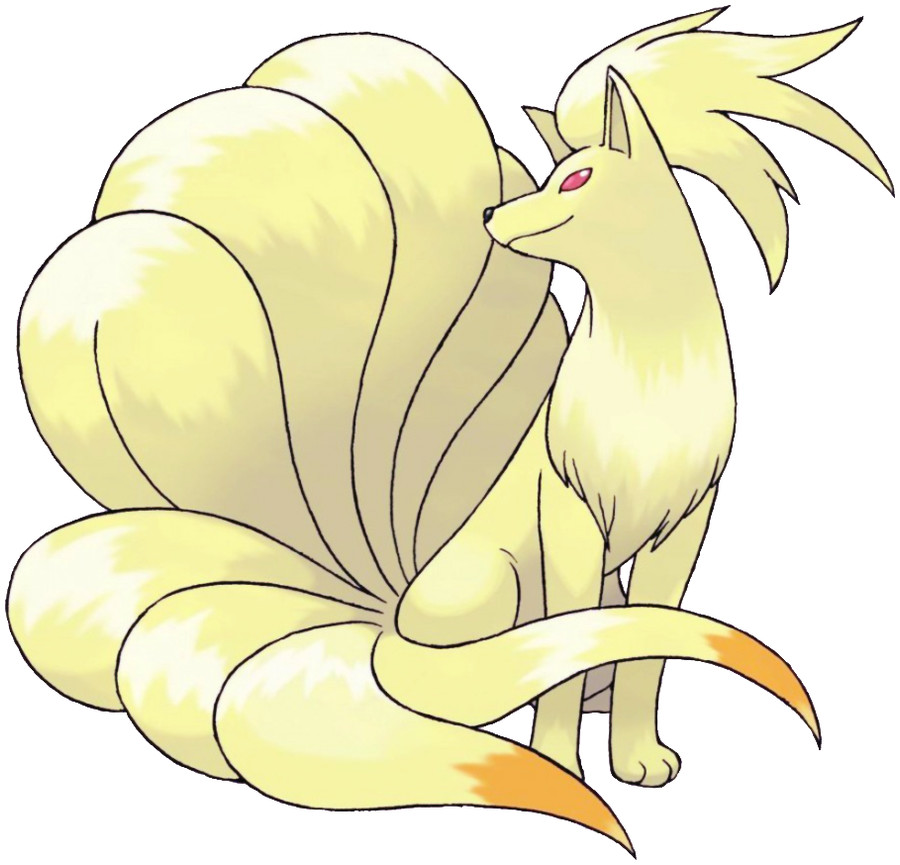
Ninetales
Ninetales, a majestic Fire-type Pokemon, takes inspiration from the Japanese mythological creature known as the “kitsune.” Kitsune are mythical foxes believed to possess incredible intelligence and magical abilities. They are often portrayed with multiple tails, with the most powerful having nine tails, similar to Ninetales.

Gyarados
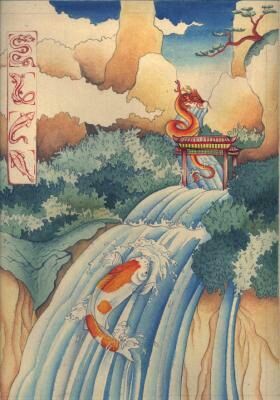
Gyarados, a fearsome Water/Flying-type Pokémon, finds its origins in the famous Japanese myth of the “Dragon Gate.” According to the legend, carp that are able to leap over the Dragon Gate waterfall transform into powerful dragons. Gyarados’ serpentine appearance and its connection to water reflect this myth.

Meowth
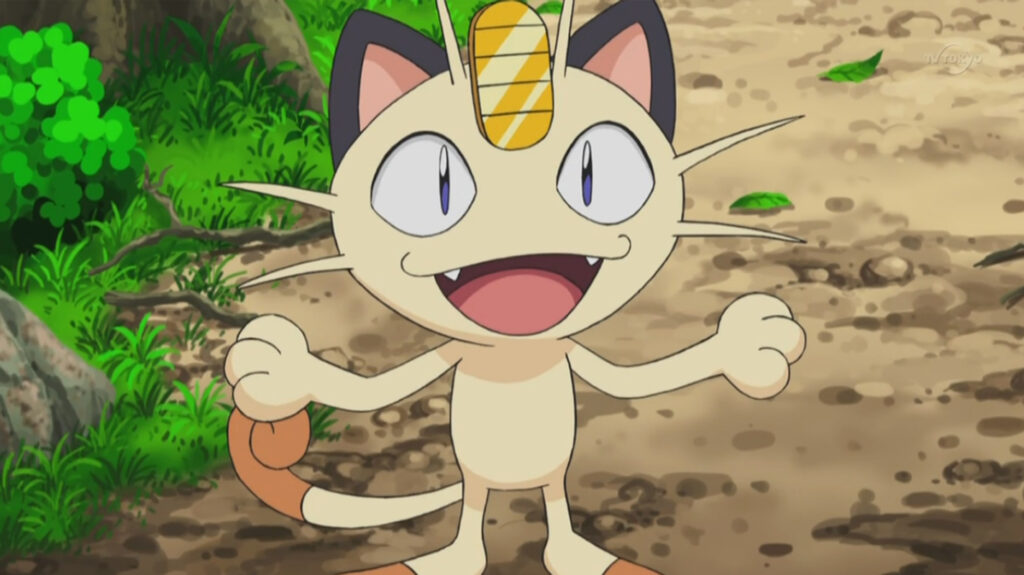
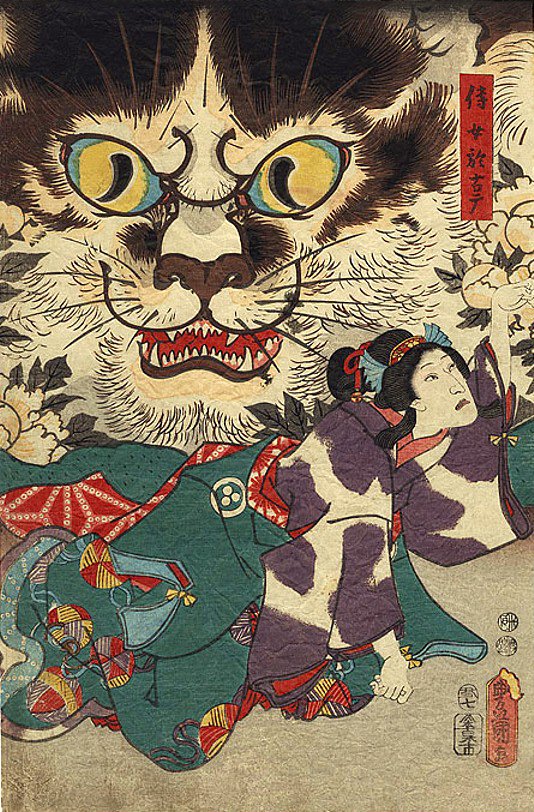
Meowth, a mischievous Normal-type Pokémon, is based on the “maneki-neko,” a Japanese figurine often seen in shops and homes, believed to bring good luck and fortune. The iconic raised paw of Meowth resembles the beckoning gesture of the maneki-neko.
Jynx
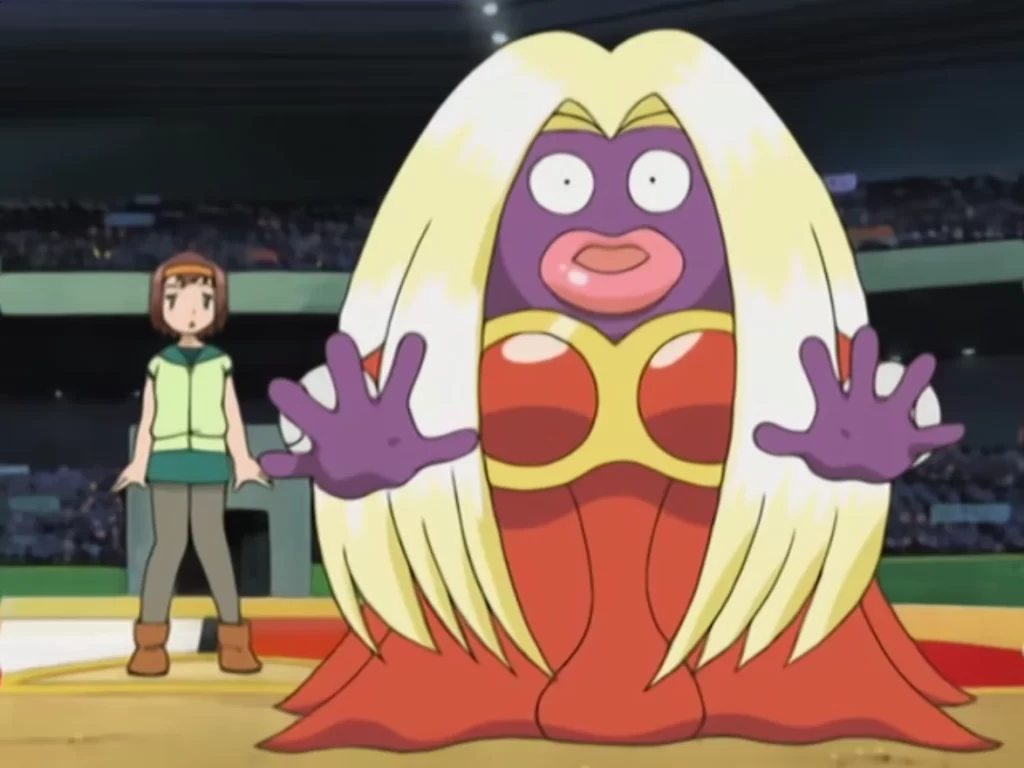
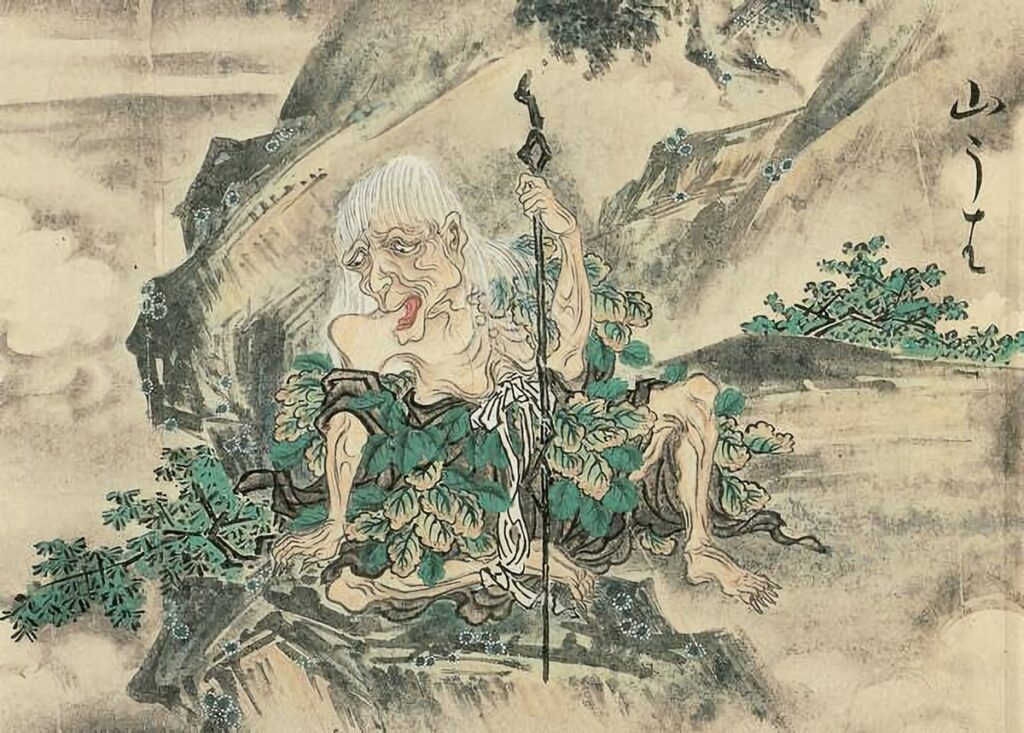
Jynx, an Ice/Psychic-type Pokémon, takes inspiration from the Japanese Yama-uba, a mountain hag known for her psychic abilities. Jynx’s appearance, with its long hair and kimono-like dress, reflects the traditional image of Yama-uba.
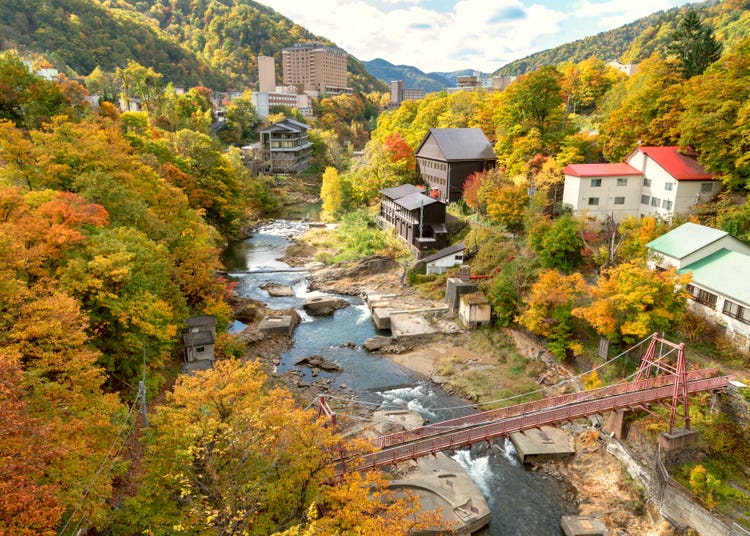
Did you know?: almost every location in Pokemon games is inspired by real life locations in Japan? Discover ’em all!
Lapras
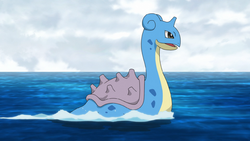
Lapras, a gentle Water/Ice-type Pokémon, is reminiscent of the “Ningyo,” a creature from Japanese folklore that is often described as a cross between a fish and a human. Ningyo are said to bring good luck and are associated with protection and longevity, just like Lapras.

Sudowoodo
Sudowoodo, a Rock-type Pokémon, draws inspiration from the “dorotabo,” a creature believed to be a petrified tree stump that comes to life. Sudowoodo’s appearance as a tree-like Pokémon that disguises itself as a tree perfectly captures the essence of the dorotabo.


Darumaka and Darmanitan
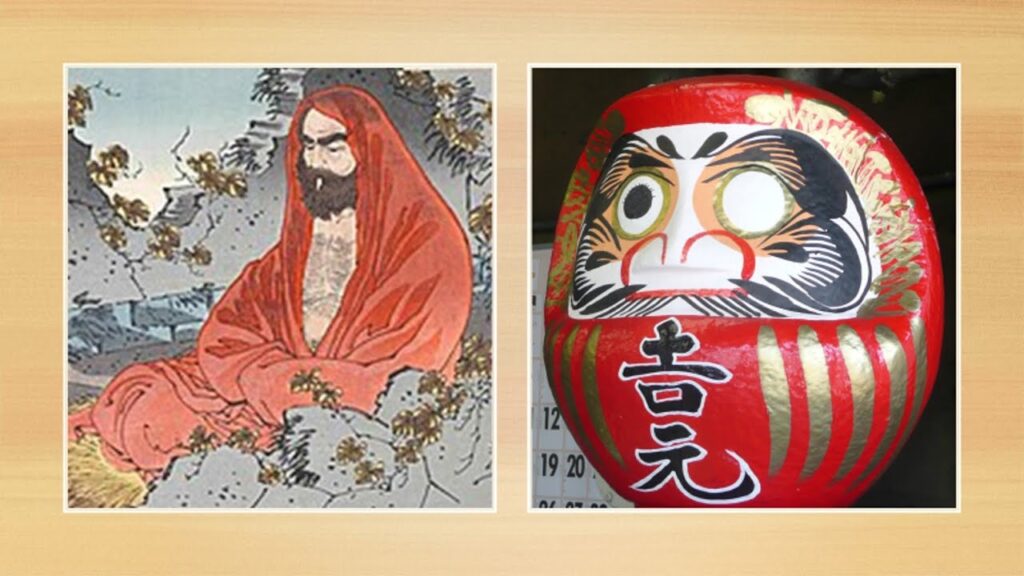
Darumaka and Darmanitan, Fire-type Pokémon, are inspired by the Japanese traditional doll called “daruma.” Daruma dolls are round, red dolls with blank eyes, symbolizing perseverance and good luck. The design of Darumaka and its evolved form, Darmanitan, emulates the shape and color of the daruma doll.
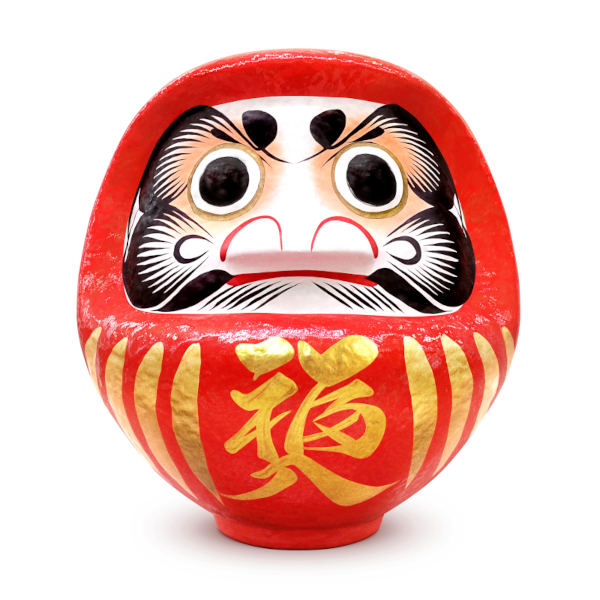

A Daruma doll is modeled after Bodhidharma, the founder of the Zen tradition of Buddhism.
Chandelure
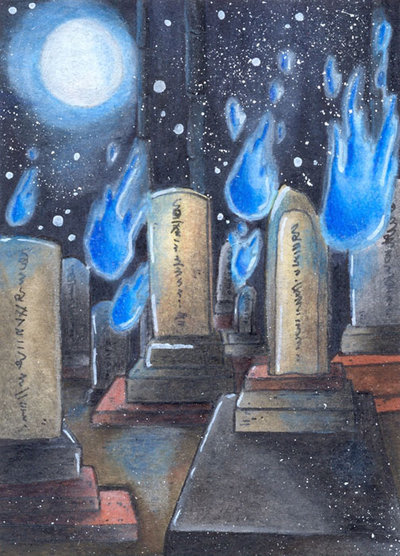
Chandelure, a Ghost/Fire-type Pokémon, is based on the “hitodama,” a floating fireball that appears in Japanese folklore. Hitodama are said to be the spirits of the deceased and are often depicted as glowing orbs of fire, much like Chandelure.

Mimikyu
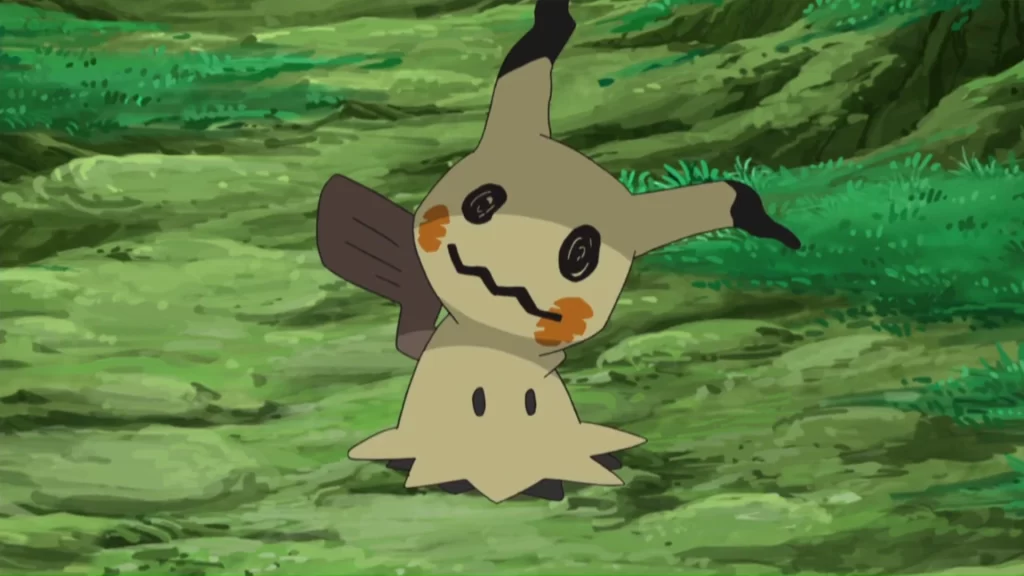
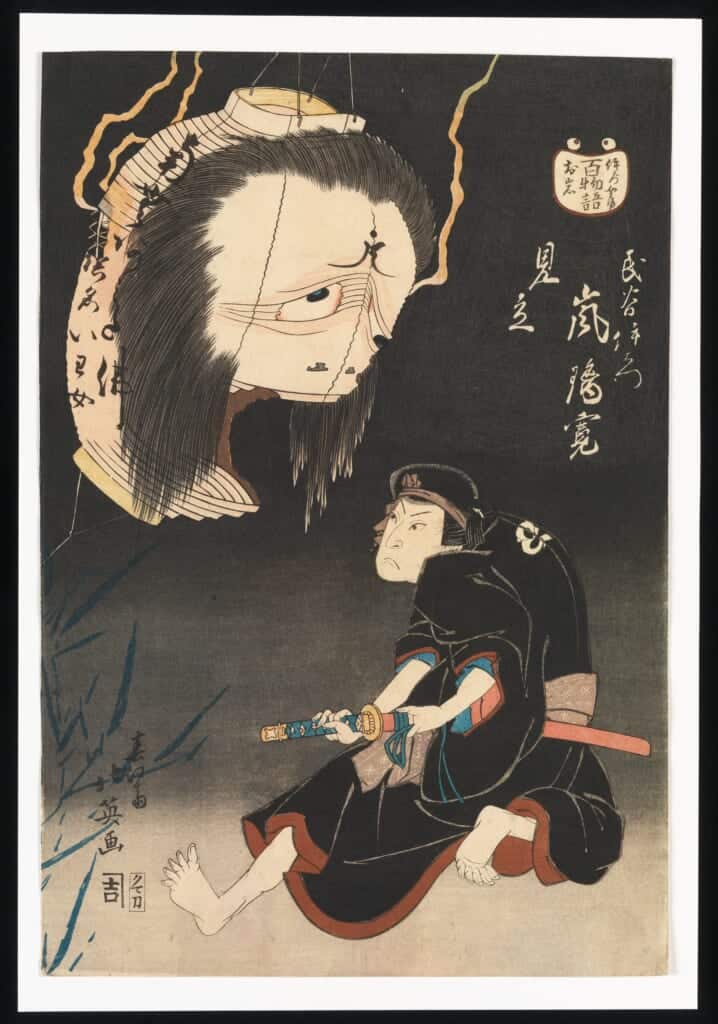
Mimikyu, a Ghost/Fairy-type Pokémon, is inspired by the concept of “tsukumogami” in Japanese folklore. Tsukumogami are inanimate objects that gain sentience after reaching a certain age. Mimikyu disguises itself as Pikachu to gain popularity and affection, reflecting the idea of tsukumogami imitating more recognizable forms.
Whiscash
Whiscash, a Water/Ground-type Pokémon, finds its roots in the “namazu,” a giant catfish believed to cause earthquakes. In Japanese mythology, it is said that a catfish resides in the mud beneath the earth, and when it moves, it causes tremors. Whiscash’s connection to water and its Ground typing reflect the association with the namazu.


Drampa
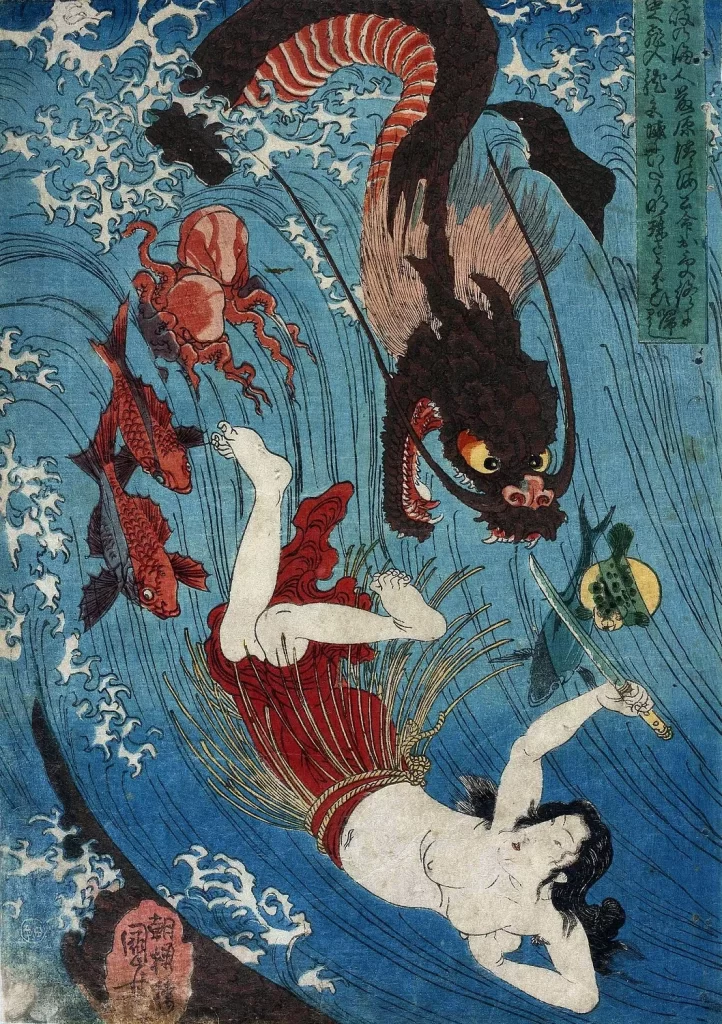
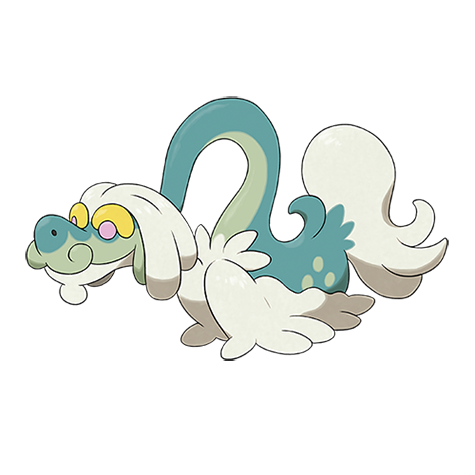
Drampa, a Normal/Dragon-type Pokémon, is inspired by the “ryūjin,” the dragon god of the sea in Japanese mythology. Ryūjin is often depicted as a benevolent dragon that protects the ocean and its creatures, much like the gentle nature of Drampa.
Plan to go to a Pokemon Cafè in Tokyo for a real life Gotta catch ’em all experience!
The world of Pokémon is not only a realm of fictional creatures but also a gateway to the rich tapestry of Japanese folklore and mythology. By analyzing these 12 Pokémon and their connections to Japanese traditions, we can appreciate the depth of cultural inspiration that has shaped the Pokémon universe.
This blending of fantasy and folklore not only adds charm to the franchise but also serves as a reminder of the enduring power of storytelling and the importance of cultural heritage.