Asakusa Shopping Guide: Traditional Streets, Kappabashi, and Tokyo Skytree
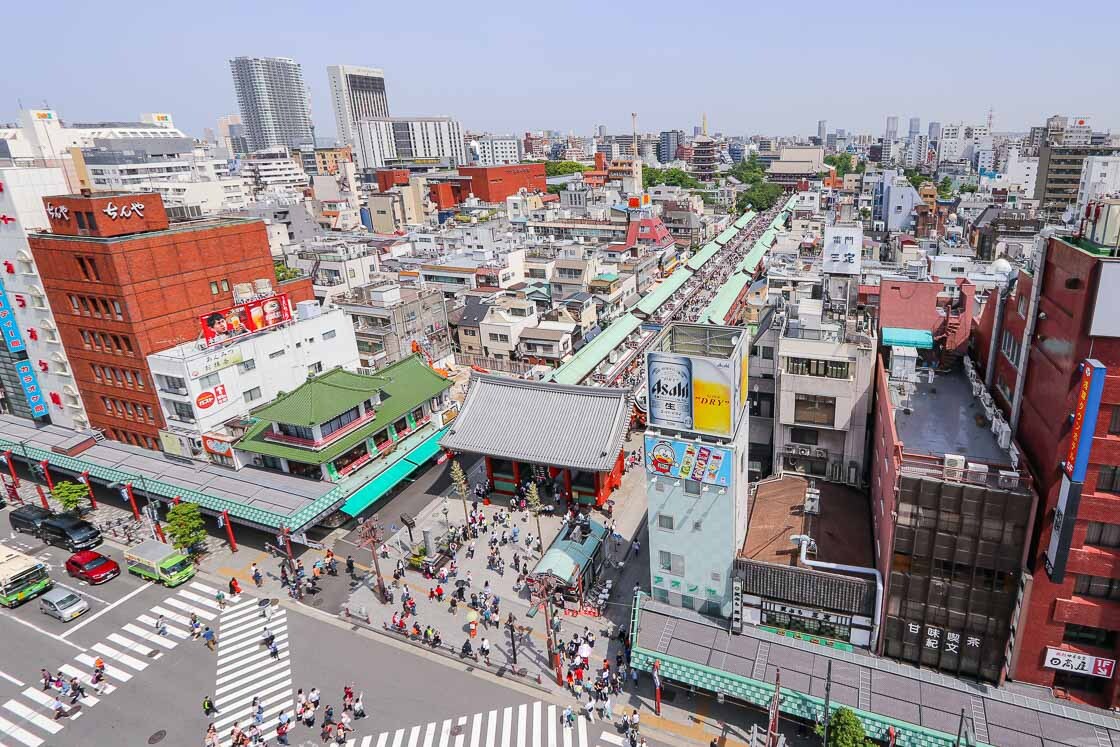
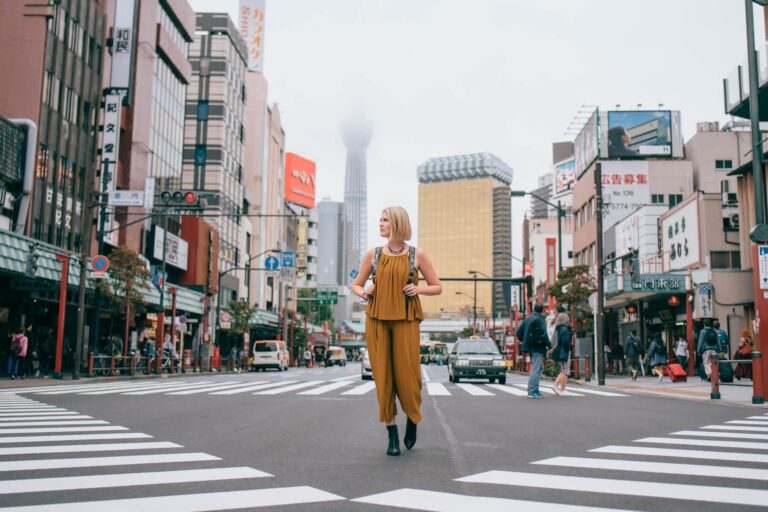
Asakusa works well for travelers who want a Tokyo shopping trip without spending the day on trains. The area brings together old-town atmosphere, souvenir streets, kitchenware shops, local food, and a modern sightseeing-and-shopping district at Tokyo Skytree, all within a compact area that can be explored on foot.
For international visitors planning a short stay, that mix is the main appeal. You can base yourself in Asakusa, spend one day around the traditional streets and Kappabashi, then continue into the Skytree area the next day without changing neighborhoods.
Why Asakusa works as a shopping base
Asakusa is one of eastern Tokyo’s most recognizable districts, known for temples and a preserved old-town feel. It is also a practical place to stay if your trip is focused on shopping and easy walking rather than long cross-city transfers.
The neighborhood is close to several places that fit different kinds of shopping:
- traditional souvenir streets around Sensoji Temple
- Kappabashi for kitchenware, knives, dishes, aprons, and cookware
- Hoppy Street for local dining
- Sumida Park and the river route toward Tokyo Skytree
- Tokyo Skytree itself, with shopping and dining at its base
That makes Asakusa a strong choice for travelers who want to combine sightseeing with a stay-and-shop itinerary.
A simple one- or two-day walking plan
The area works especially well as a walkable Tokyo itinerary because the main stops sit close together. A relaxed plan can be built around two short loops:
- Traditional Asakusa and Kappabashi
Start near Kaminarimon, continue along Nakamise, visit Sensoji Temple, eat lunch, and then walk on to Kappabashi.
- River walk and Tokyo Skytree
After a break, head toward Sumida Park, cross toward Tokyo Skytree using the Sumida River Walk and Tokyo Mizumachi, and finish with shopping or dining around the tower.
This structure keeps the day varied without requiring complicated transport planning.
Traditional shopping around Kaminarimon, Nakamise, and Sensoji
The classic Asakusa route begins at Kaminarimon, which leads toward Sensoji Temple. From there, Nakamise Street forms the main shopping stretch.
Nakamise is about 300 meters long and lined with souvenir and local food shops. It is the kind of place where travelers can browse small items, snack while walking, and enjoy the atmosphere rather than rushing through a mall-like setting.
At the end of the route, Sensoji Temple adds another layer to the experience. The main hall is open to the public, and many visitors go there to pray for good fortune. Even if your main goal is shopping, the temple area gives the district its sense of place and helps the walk feel more than just a retail stop.
A useful extra stop is the Asakusa Culture Tourist Information Center. Its observation deck offers a view over Nakamise Street and Sensoji Temple, and the building itself is notable for its architecture.
Where to eat: Asakusa tempura and Hoppy Street
Food is part of the shopping experience in Asakusa, not something separate from it.
A classic lunch stop is tempura. In Asakusa, many tempura places serve Edomae tempura, which uses fish and vegetables fried in sesame oil rather than the more modern style fried in neutral oil. A tempura rice bowl is an easy way to try it while keeping the meal simple and satisfying during a day of walking.
For dinner, Hoppy Street is a useful area to know. It sits between the hotel area and Sensoji Temple and contains many local restaurants, making it a convenient place to end the day without moving far.
If you are planning a short stay, this combination of street shopping, temple-area snacks, tempura, and an easy dinner zone makes Asakusa especially practical.
Kappabashi for kitchenware, knives, and cookware
Kappabashi is one of the clearest reasons to build a shopping day around Asakusa. The street is lined with shops selling kitchen-related goods, including knives, dishes, aprons, and customized cookware.
It is a particularly good stop for travelers looking for practical souvenirs rather than decorative ones. Restaurateurs and home cooks alike can find a wide range of items here, so the street feels different from the souvenir lanes around Sensoji.
For visitors who enjoy browsing tools and utensils, Kappabashi can easily take more time than expected. It is the place to slow down and look closely rather than simply pass through.
Tokyo Skytree for modern shopping and dining
After the traditional side of Asakusa, Tokyo Skytree adds a more modern shopping-and-dining stop to the same trip.
The tower is within walking distance of Asakusa, and the route is straightforward enough to follow on foot. Along the way, the Sumida River Walk and Tokyo Mizumachi create a direct connection toward the tower. Tokyo Mizumachi is a redeveloped shopping and dining space under the train tracks, so the walk itself becomes part of the experience.
Tokyo Skytree also gives you another layer of activities once you arrive. The complex includes observation decks and a shopping and dining area at its base, and there is also an aquarium there. It is easy to spend at least half a day in the area if you combine views with browsing and meals.
For travelers who want both old and new Tokyo in one itinerary, this is where the neighborhood pairing works best.
Sumida Park and the river walk between the neighborhoods
Sumida Park adds a quieter break to the route between Asakusa and Tokyo Skytree. The park sits along the Sumida River and is known as a cherry blossom viewing spot.
It is also a good place to pause between shopping areas. The riverbank setting gives the itinerary more breathing room, and the view can include both the cherry trees and Tokyo Skytree in the same frame.
From there, the walk across the river toward Skytree is simple. The connection via Sumida River Walk and Tokyo Mizumachi makes the journey feel direct, which is useful if you want to keep the day moving without relying on transfers.
Where to stay for this kind of trip
If you want to shop in Asakusa and continue easily toward Skytree, staying in the neighborhood itself makes a lot of sense. Asakusa is not just a day trip area; it can also work well as a base for a longer Tokyo stay.
An apartment-style hotel can be especially practical for this kind of trip because it supports a slower pace and gives you space for shopping items, meals, and downtime between walks. The Asakusa area also has hotel options from the same group that includes apartment-style and standard hotel brands.
For travelers who prefer to stay near other shopping districts, Ginza and Nihonbashi are also mentioned as areas with many department stores, boutiques, and flagship stores. Properties in those neighborhoods may also work if your trip leans more toward department-store shopping than toward Asakusa’s old-town atmosphere.
If you are building a compact Tokyo itinerary, the main choice is whether you want a traditional neighborhood base with easy walking or a more central shopping district with a different feel.
Practical access and walking times
The Asakusa base described here is a short walk from both Asakusa and Tawaramachi stations on the Ginza Subway Line.
The walking route between the main sights is compact:
- MONday Apart Premium Asakusa to Kaminarimon: about 10 minutes
- Kaminarimon to Sensoji Temple: about 10 minutes
- Sensoji Temple to Kappabashi: about 15 minutes
- Kappabashi back to the hotel: about 5 minutes
- Hotel to Hoppy Street: about 5 minutes
- Hotel to Sumida Park: about 15 minutes
- Sumida Park to Tokyo Skytree: about 15 minutes
These short segments are what make the area especially attractive for a walkable Tokyo stay. You can see a lot without having to organize each stop around transport.
FAQ
Is Asakusa a good base for shopping in Tokyo?
Yes. Asakusa works well as a base because it combines traditional shopping streets, Kappabashi, local dining, and easy walking access to Tokyo Skytree.
What can you buy on Nakamise Street?
Nakamise is lined with souvenir and local food shops, so it is best for browsing small gifts and snacks.
What is Kappabashi best known for?
Kappabashi is known for kitchenware shops selling items such as knives, dishes, aprons, and cookware.
Can you walk from Asakusa to Tokyo Skytree?
Yes. The walk is straightforward, and the route can go via Sumida Park, Sumida River Walk, and Tokyo Mizumachi.
What kind of food should I try in Asakusa?
Tempura is a strong choice, especially Edomae tempura, which is a local style found in many Asakusa restaurants.
How much time should I allow for Tokyo Skytree and the surrounding area?
At least half a day is a sensible amount of time if you want to see the observation decks and also enjoy the shopping and dining area.
Is this area good for a one-night stay?
Yes. The area suits a one-night stay well because the main sights are close together and can be explored on foot.
A good fit for travelers who want both old and new Tokyo
Asakusa and Tokyo Skytree create one of Tokyo’s most practical shopping combinations: traditional streets, kitchenware browsing, local food, river walks, and a modern tower district all in a compact area. For travelers who want to keep things easy and walkable, it is a smart way to spend one or two days in the city.
If you are putting together a Tokyo neighborhood itinerary, this is a good area to start shaping the route around your shopping interests.