Where to Stay in Tokyo: Best Areas and Hotels for First-Time Visitors

Choosing where to stay in Tokyo can make a big difference to your trip. The city has an excellent public transport network, but its neighborhoods feel very different, and the wrong hotel location can mean extra transfers, long walks and less time to enjoy Japan.
The good news is that you don’t need to find one perfect area. You need to find the area that fits your itinerary, budget and travel style.
In this guide, I’ll help you compare Tokyo’s best neighborhoods, understand their advantages and disadvantages, and choose hotels that make sense for different types of travelers.
Quick Answer: Where Should You Stay in Tokyo?
If you want a quick recommendation, start with these six areas.
| Area | Best for | Main advantage | Main drawback |
|---|---|---|---|
| Shinjuku | First-time visitors | Excellent transport, restaurants and nightlife | Busy and sometimes overwhelming |
| Shibuya | Shopping and nightlife | Trendy atmosphere and plenty to do | Often expensive |
| Ginza / Tokyo Station | Comfort and convenience | Shopping, dining and Shinkansen connections | Hotels can be pricey |
| Asakusa / Ueno | Culture and better value | Traditional atmosphere, museums and markets | Less convenient for some western Tokyo attractions |
| Roppongi / Akasaka | Upscale dining and nightlife | Art museums, restaurants and sophisticated hotels | Not the most practical base for every itinerary |
| Ikebukuro | Value and pop culture | Major transport hub with shopping and entertainment | Less traditional and less iconic than other areas |
For most first-time visitors, I’d shortlist Shinjuku, Ginza/Tokyo Station and Asakusa/Ueno.
Choose Shinjuku for an energetic atmosphere and flexible transport connections, Ginza or Tokyo Station for comfort and easier travel logistics, or Asakusa and Ueno for culture and potentially better-value accommodation.
Before Choosing a Hotel, Choose the Right Area
One of the biggest mistakes travelers make is choosing a hotel based only on its price, photos or star rating.
Tokyo is a large city, and two hotels with similar ratings can offer very different experiences depending on their nearest station, train connections and surrounding streets.
Before booking, consider four things.
1. Your itinerary. If most of your plans involve Shinjuku, Shibuya and Harajuku, staying in western Tokyo may be convenient. If you’re more interested in Asakusa, Ueno, museums and traditional neighborhoods, eastern Tokyo may make more sense.
2. Transport connections. Check the actual walking distance to the station and which lines serve it. A hotel described as being near Tokyo Station might still require a substantial walk to the platforms you need.
3. Your evenings. Shinjuku and Shibuya offer plenty of restaurants and nightlife, but some streets can be noisy. Ginza, Asakusa and parts of Ueno may suit travelers who prefer a different atmosphere.
4. Your room and budget. Tokyo hotel rooms can be compact. If you’re traveling with children, large suitcases or several people, compare room sizes and occupancy rules rather than looking only at the nightly rate.
You don’t need to stay beside every attraction. You need a convenient base that works for most of your plans.
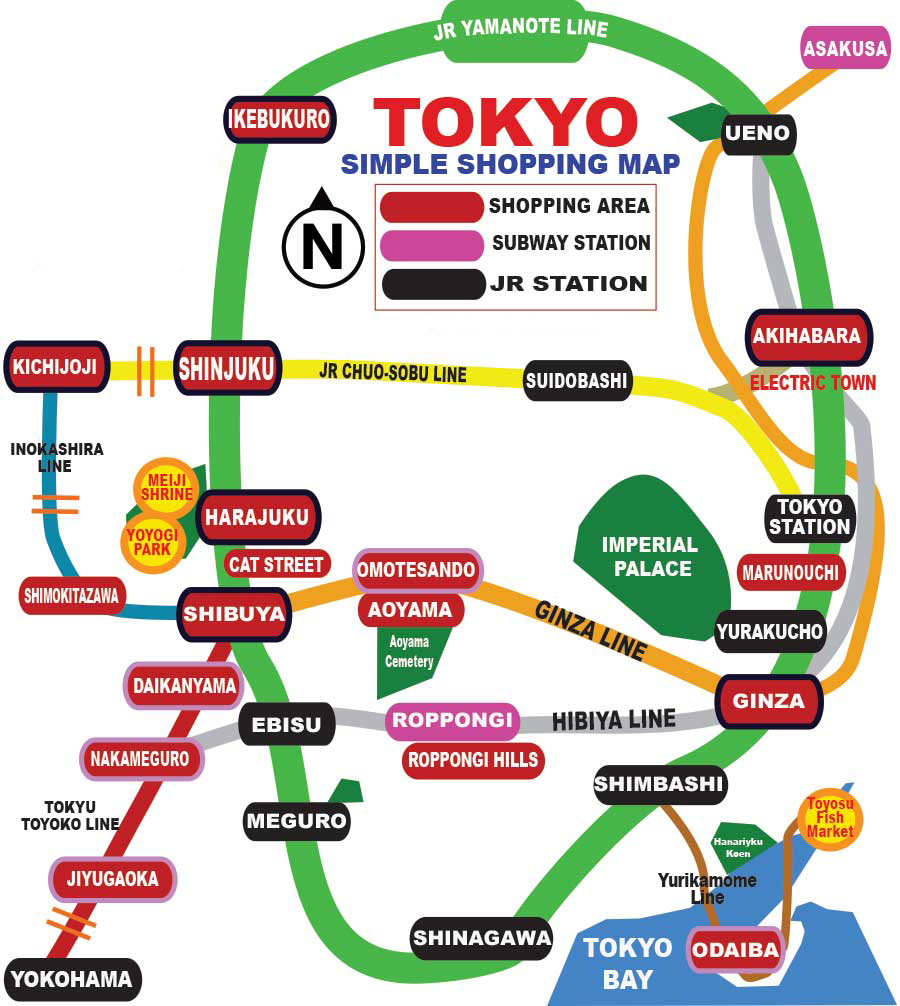
Best Area to Stay in Tokyo
1. Shinjuku: Best Overall for First-Time Visitors
Shinjuku is my default recommendation for travelers who want a convenient introduction to Tokyo. The area combines major railway connections, department stores, restaurants, entertainment and nightlife, making it easy to find something to do at almost any time of day.
It’s also a useful base for exploring other parts of the city and taking selected day trips.
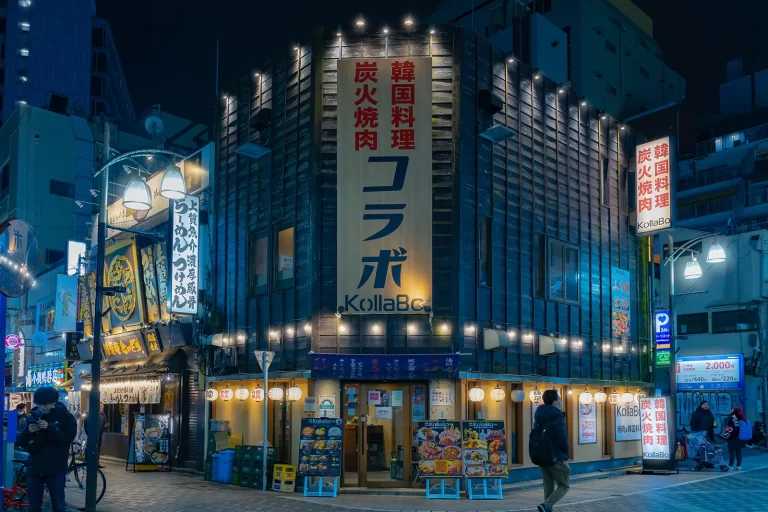
However, Shinjuku is not one uniform neighborhood. The area around Kabukicho is lively and entertainment-focused, while the west side of Shinjuku Station has a more business-oriented atmosphere and many larger hotels.
Choose Shinjuku if you want:
- Convenient transport connections.
- Plenty of restaurants and shopping.
- Nightlife and entertainment within walking distance.
- A practical base for a first trip.
Think twice if: you prefer quiet streets, dislike crowded stations or are traveling with children and want to avoid busy nightlife districts.
Recommended hotels in Shinjuku
JR Kyushu Hotel Blossom Shinjuku
A strong option for travelers who want a comfortable hotel near Shinjuku Station. Its location makes it practical for sightseeing, restaurants and transport connections without requiring you to stay directly in the busiest entertainment streets.
Best for: first-time visitors, couples and travelers prioritizing convenience.
Hotel Gracery Shinjuku
Located in Kabukicho, this hotel is known for its Godzilla-themed exterior and central entertainment-district location. It’s a good match for travelers who want restaurants, nightlife and the energy of Shinjuku right outside the door.
The trade-off is the busy surroundings, which may not suit light sleepers.
Best for: nightlife, entertainment and travelers who want a lively base.
Keio Plaza Hotel Tokyo
Best for travelers who want a larger, more comfortable hotel in Shinjuku. Keio Plaza is a good option if you want a more classic full-service hotel experience. It is located on the west side of Shinjuku, which usually feels more spacious and less chaotic than Kabukicho.
It can work well for families, couples and travelers who want comfort but still want easy access to Shinjuku transport.
Best for: families, comfort, longer stays, travelers who want a larger hotel.
THE KNOT TOKYO Shinjuku
A great option if you want a modern, design-focused hotel in a quieter part of Shinjuku. Located directly across from Shinjuku Central Park, it features contemporary rooms, on-site restaurants and a bakery. Tochomae Station is just a 4-minute walk away, while JR Shinjuku Station is about 14 minutes on foot, so keep the extra walking in mind if you plan to use Shinjuku Station every day.
Best for: Travelers who value design, food and a calmer setting over staying right in the middle of Shinjuku’s busiest streets.
2. Shibuya: Best for Shopping, Nightlife and Modern Tokyo
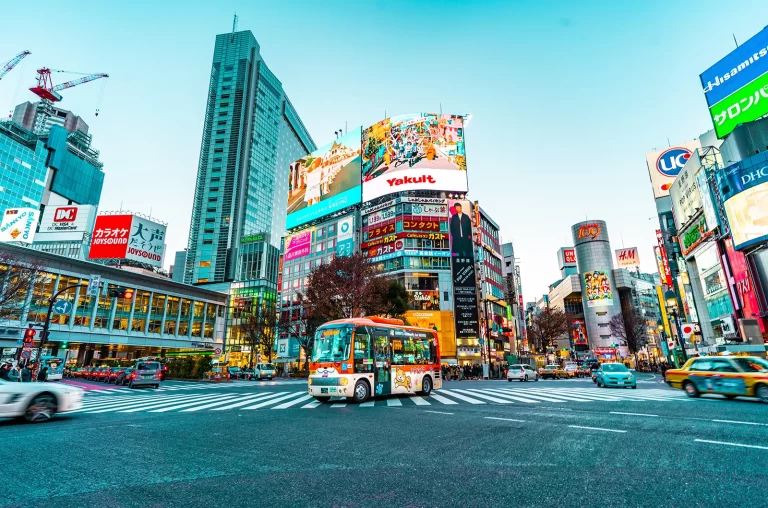
Shibuya is one of Tokyo’s most recognizable districts, famous for Shibuya Crossing, shopping, restaurants, music and youth culture.
Staying here puts you close to Harajuku, Omotesando and several other interesting neighborhoods. It’s an excellent choice if you want Tokyo to feel energetic and contemporary, especially in the evenings.
The main disadvantages are price and crowds. Shibuya can be expensive, and the streets around major transport hubs are not always the most relaxing places to return to after a long day.
Choose Shibuya if you want:
- Shopping, fashion and contemporary Japanese culture.
- Restaurants, bars and nightlife.
- Easy access to Harajuku and Omotesando.
- A lively urban atmosphere.
Think twice if: you’re looking for budget accommodation, a quiet family base or a more traditional side of Tokyo.
Recommended hotels in Shibuya
Shibuya Excel Hotel Tokyu
Recommended hotels in Shibuya
Shibuya Excel Hotel Tokyu
A convenient choice for travelers who want to stay close to Shibuya Crossing and the area’s main transport connections. Its location is particularly useful if you plan to spend a lot of time exploring Shibuya and nearby neighborhoods.
Best for: first-time visitors, couples and travelers prioritizing location.
Shibuya Stream Hotel
A modern option near Shibuya Station, with restaurants and shopping close by. It suits travelers who like contemporary design and want convenient access to the district without sacrificing comfort.
Best for: couples, design-conscious travelers and shopping-focused trips.
Cerulean Tower Tokyu Hotel
A more upscale option for travelers who want additional comfort while staying close to Shibuya’s entertainment and shopping areas.
Best for: couples, comfort-focused stays and travelers looking for a more premium hotel experience.
3. Ginza and Tokyo Station: Best for Comfort and Easy Travel Logistics
Ginza and the Tokyo Station area are worth considering if you prefer a polished atmosphere, shopping, good restaurants and convenient transport.
Ginza is known for department stores, boutiques and dining. Marunouchi, around Tokyo Station, is especially useful if your itinerary includes Shinkansen journeys to Kyoto, Osaka or other parts of Japan.
This area is often a good fit for couples, families and travelers who prefer comfort over nightlife. However, accommodation can be expensive, and the atmosphere is less energetic than Shinjuku or Shibuya in the evening.
One important distinction: Ginza and Tokyo Station are neighboring areas, not interchangeable locations. Check the actual station nearest your hotel before booking.
Choose this area if you want:
- Convenient Shinkansen access.
- Shopping and restaurants.
- A more refined atmosphere.
- A comfortable base for a multi-city Japan itinerary.
Think twice if: you’re on a tight budget or want nightlife immediately outside your hotel.
The Gate Hotel Tokyo
A stylish option for travelers who want a comfortable stay near Ginza’s shopping and dining areas. It works well for visitors who prefer a refined central location over the intensity of Shinjuku or Shibuya.
Best for: couples, shopping and comfort-focused stays.
Tokyu Stay Ginza
A practical choice for travelers who value functionality and convenience, particularly on longer stays. Check the room category carefully to confirm which facilities are included.
Best for: longer stays, couples and travelers who prioritize practicality.
The Royal Park Hotel Iconic Tokyo Shiodome
An option to consider if you want a more upscale hotel around Shiodome, with access to central Tokyo and areas such as Ginza and Tsukiji.
Best for: couples, comfort and travelers looking for a polished hotel experience.
Luxury Hotels Near Tokyo Station, Marunouchi and Ginza
If budget is not your main concern, the Tokyo Station, Marunouchi, Otemachi and Ginza areas have some of the best luxury hotels in Tokyo.
This area is ideal if you want elegant service, easy transport, high-end dining and a calmer atmosphere than Shinjuku or Shibuya.
Recommended luxury hotels to compare:
- Four Seasons Hotel Tokyo at Otemachi
- Four Seasons Hotel Tokyo at Marunouchi
- Palace Hotel Tokyo
- HOSHINOYA Tokyo
- Mandarin Oriental Tokyo
- The Ritz-Carlton Tokyo
- Shangri-la Hotel Tokyo
- The Tokyo Edition at Toranomon
- The Peninsula Tokyo
These are premium options, so compare the total price and room category before deciding whether the location and facilities justify the difference.
4. Asakusa and Ueno: Best for Culture and Better Value
Asakusa and Ueno are excellent alternatives if you want a different side of Tokyo from the bright lights of Shinjuku and Shibuya.
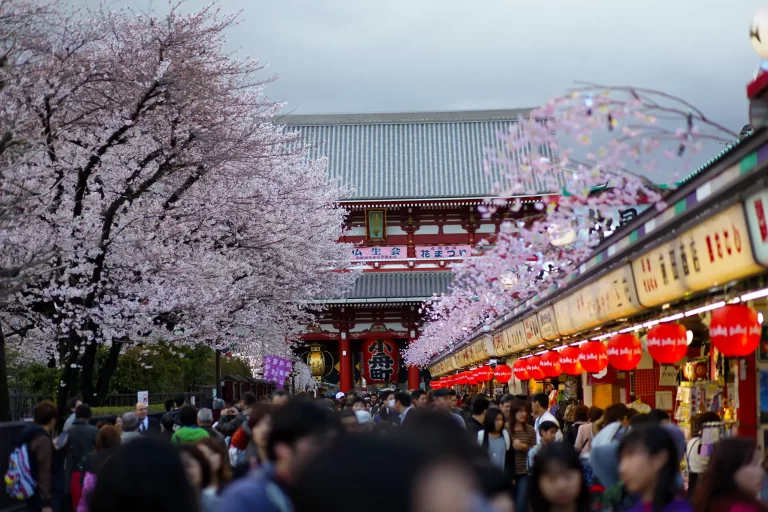
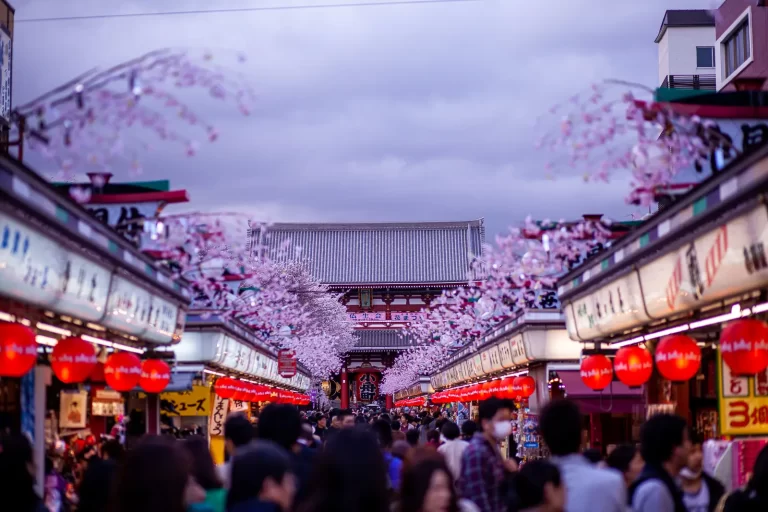
Asakusa is known for Sensoji Temple, Nakamise Street, traditional shops and an old-town atmosphere. Ueno offers a different combination of parks, museums, markets and transport connections.
Both areas can offer good-value accommodation, although prices vary considerably by season and hotel.
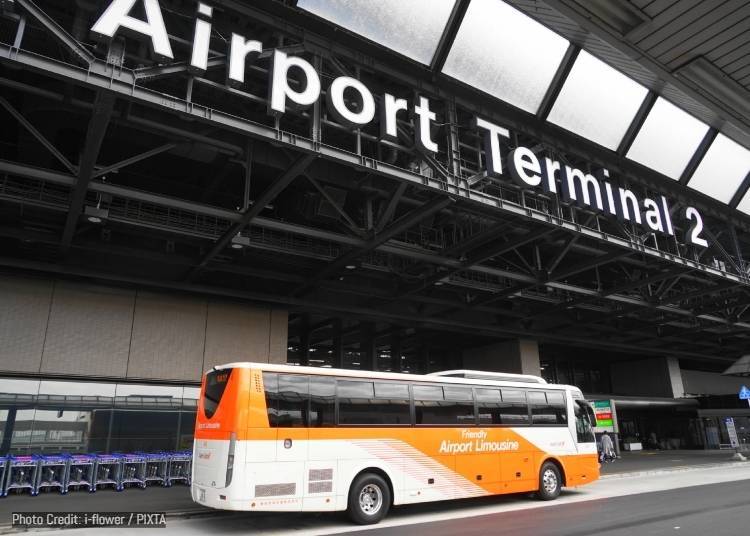
Ueno can be particularly practical for travelers using the Keisei line to or from Narita Airport. Asakusa is attractive if you want to explore traditional streets and enjoy a slightly slower pace.
Choose Asakusa or Ueno if you want:
- Temples, museums and traditional neighborhoods.
- A more relaxed atmosphere.
- Potentially better accommodation value.
- Easy access to eastern Tokyo attractions.
Think twice if: your itinerary focuses heavily on Shibuya, Harajuku and western Tokyo, or you want nightlife directly outside your hotel.
Recommended hotels in Ueno and Asakusa
APA Hotel Keisei Ueno Ekimae
A practical option near Keisei Ueno Station, Ueno Park and Ameyoko Market. Its location is especially useful if airport connections and sightseeing convenience are priorities.
Best for: short stays, solo travelers and visitors using Narita Airport connections.
Asakusa Hotel Options
Rather than focusing on one property, compare accommodation around Asakusa Station, Tawaramachi and Kuramae. These locations offer different combinations of sightseeing access, transport and neighborhood atmosphere.
If you choose a hotel close to Sensoji Temple, check the walking distance to the station you’ll actually use, not just the distance to the temple.
These locations give you good access to traditional sightseeing while keeping transport manageable.
5. Roppongi and Akasaka: Best for Upscale Dining and Nightlife
Roppongi and Akasaka suit travelers who prioritize restaurants, art museums, evening entertainment and upscale accommodation.
Roppongi has an international atmosphere, nightlife and cultural attractions, including major art museums. Akasaka is generally more understated, with restaurants, business hotels and convenient connections.
Neither is my automatic first choice for every first-time visitor, but both can work very well if their atmosphere matches your plans.
Choose this area if you want:
- Art museums and contemporary culture.
- Upscale restaurants and bars.
- A more international atmosphere.
- Premium accommodation.
Think twice if: you want the simplest base for a broad first-time sightseeing itinerary or prefer a traditional neighborhood.
Recommended hotels around Roppongi
The Prince Park Tower Tokyo
An upscale hotel to consider if you want a comfortable stay with views of Tokyo Tower and a more spacious hotel experience.
Best for: couples, special occasions and comfort-focused stays.
remm Roppongi
A more practical alternative for travelers who want to stay near Roppongi’s restaurants, museums and nightlife without choosing a luxury property.
Best for: short stays, solo travelers and visitors who plan to spend most of the day exploring.
6. Ikebukuro: Best for Value, Transport and Pop Culture
Ikebukuro is a useful alternative if Shinjuku and Shibuya are beyond your budget or simply don’t appeal to you.
It’s a major transport hub with shopping, restaurants, entertainment and attractions for anime and manga fans. The atmosphere is busy, but it can feel less dominated by international tourism than some of Tokyo’s most famous districts.
Ikebukuro is not the most traditional part of Tokyo, but it can be a practical base for travelers who want good connections and plenty of everyday amenities nearby.
Choose Ikebukuro if you want:
- A major transport hub.
- Shopping and restaurants.
- Anime, manga and Japanese pop culture.
- An alternative to the busiest tourist bases.
Think twice if: you’re looking for traditional streets or want your hotel to be within walking distance of Tokyo’s best-known first-time visitor attractions.
Recommended hotel in Ikebukuro
Hotel Metropolitan Tokyo Ikebukuro
A comfortable, practical option near Ikebukuro Station. Its location makes it useful for travelers who value transport connections, shopping and easy access to restaurants.
Best for: couples, practical stays and pop culture fans.
Which Tokyo Area Is Best for Your Travel Style?
If you’re still undecided, use these recommendations to narrow your options.
For a first trip to Japan: Start with Shinjuku if you want convenience and nightlife, or Ginza/Tokyo Station if comfort and travel logistics matter more.
For families: Consider Ginza, Tokyo Station, Ueno or the quieter parts of Shinjuku. Prioritize room size, access to stations and the surrounding streets rather than choosing an area based only on its reputation.
For couples: Shibuya offers energy and shopping, Ginza provides a more refined atmosphere, and Roppongi can suit dining and nightlife.
For budget-conscious travelers: Compare hotels in Ueno, Asakusa and Ikebukuro. Also check business hotels slightly away from the busiest stations.
For luxury travelers: Look at Marunouchi, Otemachi, Ginza and selected hotels around Toranomon and Roppongi.
For nightlife: Shinjuku offers variety, Shibuya is lively and trend-focused, and Roppongi has an international dining and nightlife scene.
For traditional Tokyo: Asakusa is the clearest choice for temples and old-town atmosphere, while Ueno works well for parks, museums and markets.
You don’t have to stay in the neighborhood that matches every interest. Choose one that fits most of your plans, then use Tokyo’s transport network to explore the rest.
Areas I Would Avoid for a First Trip
I wouldn’t rule out entire neighborhoods simply because they are outside the main tourist areas. Some less central locations offer excellent hotels and a more residential experience.
However, I’d be cautious about booking accommodation that:
- Is a long walk from the nearest useful station.
- Requires several awkward transfers for most of your itinerary.
- Is far from central Tokyo solely because the room looks cheaper.
- Has few restaurants or convenience stores nearby if you expect to return late.
- Is in a nightlife district when you want quiet evenings.
The important question isn’t whether a neighborhood is famous. It’s whether the hotel’s location works for your trip.
Before booking, check the station entrance you’ll use, walking distance with luggage and the routes to your main sightseeing areas. A slightly more expensive hotel can be worthwhile if it saves time and makes daily travel easier.
How Many Nights Should You Stay in Tokyo?
For a first trip, four nights is a useful starting point. It gives you time to explore several different neighborhoods without trying to see the entire city in two days.
With five or six nights, you can slow down, visit more museums and less obvious areas, and fit in a day trip if it suits your itinerary.
If you’re spending around two weeks in Japan, you might stay in Tokyo at the beginning of your trip, travel to Kyoto and Osaka, and return for a final night if your flight logistics make that convenient. The best arrangement depends on your arrival and departure airports and your overall route.
If you’re taking the Shinkansen early in the morning, staying near Tokyo Station or Shinagawa may be useful. If you’re flying out early, compare airport access and departure times before choosing your final-night hotel.
There is no need to change hotels within Tokyo simply to experience different neighborhoods. For most short visits, one well-chosen base is easier than moving luggage between hotels., Ueno, Shinagawa or the airport access route can make your final day easier.
// Find hotels near Tokyo Station
Common Mistakes When Booking a Hotel in Tokyo
Choosing the cheapest room without checking the location. A low rate can lose its appeal if the hotel adds long walks or inconvenient transfers every day.
Assuming every major station is equally convenient. Check which lines serve the station and where the hotel sits relative to the entrance.
Ignoring room size and occupancy rules. Japanese hotel rooms can be compact, and the maximum occupancy varies. Check the room details carefully when traveling as a family or with large suitcases.
Booking a nightlife district without considering noise. The atmosphere that makes an area exciting can also make some streets less suitable for light sleepers.
Waiting too long to book. Rates and availability can change substantially during popular travel periods, including cherry blossom season, autumn foliage, Golden Week and major events. Compare cancellation policies as well as prices.
Choosing a hotel before planning your route. A location that works for one itinerary may be inconvenient for another. Sketch out your main activities first, then choose a base.
Final Recommendation: Where Should You Stay in Tokyo?
If you want one simple recommendation, start with Shinjuku. It offers a useful combination of transport, restaurants, shopping and entertainment, making it a strong all-round base for many first-time visitors.
Choose Ginza or Tokyo Station if you prefer comfort, a more polished atmosphere and convenient Shinkansen connections. Choose Asakusa or Ueno if you value culture, traditional neighborhoods and potentially better accommodation value. Shibuya, Roppongi and Ikebukuro are strong alternatives when their particular atmosphere and advantages match your plans.
Before booking, compare the hotel’s exact location, room size, cancellation terms and total price for your dates.
Need Help Planning Your Tokyo Trip?
Choosing a hotel is easier when you already know which parts of Tokyo you want to explore and how your days fit together.
If you’re planning a longer Japan trip and aren’t sure where to stay, how to divide your time between cities or how to organize your sightseeing efficiently, I can help you build a personalized itinerary around your interests, travel pace and priorities.
Instead of planning every detail separately, you’ll have a clearer route and a practical plan for making the most of your time in Japan.
FAQ: Where to Stay in Tokyo
What is the best area to stay in Tokyo for first-time visitors?
Shinjuku is usually the best overall area for first-time visitors because it has excellent transport, restaurants, shopping and nightlife. Ginza/Tokyo Station is better if you want a calmer and more comfortable base.
Is Shinjuku or Shibuya better to stay in?
Shinjuku is better for transport and overall convenience. Shibuya is better for nightlife, shopping and younger urban energy. For a first trip, Shinjuku is usually more practical.
Is Ginza a good area to stay in Tokyo?
Yes. Ginza is a great area if you want shopping, restaurants, comfort and a more elegant atmosphere. It is also convenient for Tokyo Station and the Shinkansen.
Is Asakusa a good place to stay in Tokyo?
Yes, especially if you want a more traditional atmosphere and better-value hotels. Asakusa is great for Sensoji Temple, Nakamise Street and exploring eastern Tokyo.
Is Ueno a good area to stay in Tokyo?
Yes. Ueno is practical, often better value than Shinjuku or Shibuya, and useful for museums, Ueno Park, Ameyoko Market and Narita Airport connections.
Where should families stay in Tokyo?
Families should consider Ginza, Tokyo Station, Ueno or the quieter side of Shinjuku. These areas offer convenience without relying too much on nightlife districts.
Where should I stay in Tokyo for nightlife?
Stay in Shinjuku, Shibuya or Roppongi. Shinjuku is the best all-around nightlife area, Shibuya is younger and trendier, and Roppongi has a more international nightlife scene.
Where should I stay in Tokyo on a budget?
Look at Ueno, Asakusa and Ikebukuro. These areas often offer better hotel value while still keeping you well connected to central Tokyo.