Japan Travel Disaster Preparedness Guide: What to Know Before Your Trip
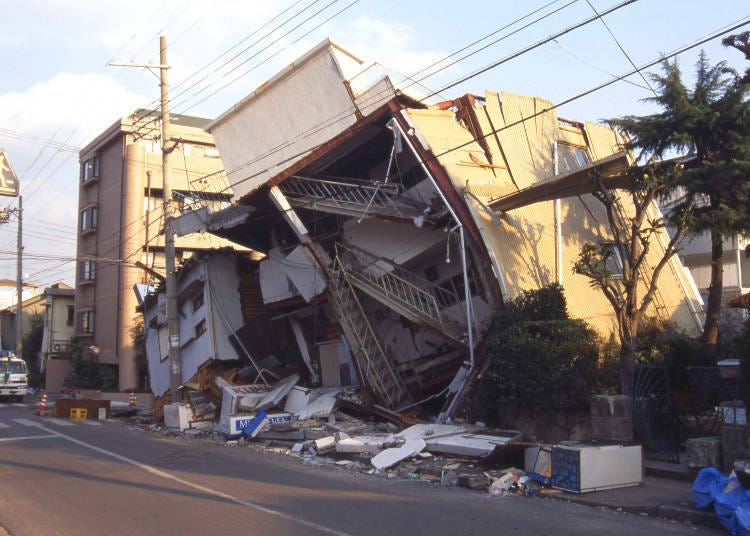
Japan is a country where earthquakes, typhoons, heavy rain, snow, floods, landslides, tsunamis, and volcanic activity are all part of the travel picture. That does not mean you should be anxious about visiting. It does mean that a little Japan travel disaster preparedness before departure can make your trip much easier to manage if plans change.
The most useful approach is not to prepare as if you were stocking a home for a major emergency. For travelers, the goal is simpler: know the main risks for your itinerary, install the right tools, keep your plans flexible during unsettled weather, and understand the basic response steps if an alert appears.
Why disaster preparedness matters for Japan travelers
Japan’s geography and climate mean different hazards matter at different times and in different places. Earthquakes can happen anywhere and at any time. Typhoons are more likely in late summer and early autumn. Heavy rain can raise flood and landslide risk. Heavy snow is more of a winter issue in northern Japan, along the Sea of Japan, and in mountainous areas. Volcanic hazards are concentrated around active volcanoes.
The practical takeaway is that you do not need to worry about every possible disaster. Instead, match your preparation to your route, season, and overnight stops. That is especially important if your trip includes coastal stays, mountain lodging, rural areas, or long travel days.
When to be extra cautious
Some periods deserve extra attention while planning:
- Typhoon season: Typhoons are most common in late summer and early autumn, especially August and September.
- Rainy and wet periods: Japan’s rainy season spreads northward through the country, with Okinawa starting earlier and northern areas later. Heavy or prolonged rain can increase flooding and landslide risk.
- Winter travel: Heavy snow is a greater concern in Hokkaido, Tohoku, Hokuriku, mountainous parts of central Japan, and areas along the Sea of Japan.
- Coastal travel: If you are near the coast, knowing tsunami evacuation routes in advance matters.
- Mountain and volcanic travel: Trails and access can change, so official alerts and local guidance are important.
A flexible itinerary is one of the best forms of travel insurance in practice. Leave room for delays, especially if a weather system could affect flights, trains, ferries, or accommodation.
Official apps and resources to install before departure
A few official tools can save time and confusion if conditions change while you are in Japan.
Safety Tips is the most useful single app to install before departure. It is designed for international visitors and provides push notifications for earthquake early warnings, tsunami warnings, severe weather, volcanic warnings, and evacuation information. It also includes response flowcharts, communication cards, and links to other resources. The app is available in 15 languages, including English, Chinese, and Korean.
KIKIKURU is the Japan Meteorological Agency’s real-time risk map service for landslides, inundation, and flooding caused by heavy rain. It is especially helpful when rain is prolonged or intense and you want to see how risk is changing around your location. The service is available in 14 languages.
Other useful official resources to bookmark before you leave:
- Japan Meteorological Agency (JMA): weather warnings, earthquakes, tsunamis, typhoons, and volcanic activity
- Japan Safe Travel Information: JNTO’s traveler-focused disaster and transport updates
- NHK WORLD-JAPAN: English and multilingual news updates during major events
- Japan Safe Travel SNS: JNTO travel and disaster information through social channels
- Japan Visitor Hotline: a 24-hour hotline for international visitors dealing with accidents, illness, natural disasters, and other emergencies
How Japan’s alert levels help travelers
For heavy rain, flooding, landslides, and storm surges, Japan uses a five-level alert system with different colors. The purpose is to show danger levels and the actions people should take.
For travelers, the most important levels to remember are:
- Level 4: people in dangerous areas should evacuate
- Level 5: life-threatening conditions requiring immediate action to protect yourself
You do not need to memorize the entire system, but it helps to know that the higher levels mean you should act quickly rather than wait and see.
What to pack in a compact traveler emergency kit
You do not need a resident-level disaster stockpile. A small, realistic day bag is enough for most travelers. Think in terms of what you would need if trains stopped, the weather worsened, or you had to stay somewhere longer than expected.
Useful items include:
- charged power bank and charging cable
- essential medication
- water
- a small snack such as an energy bar or crackers
- some cash and coins
- identification
- your hotel name, address, and contact details
- travel insurance information
- plastic bags
- a handkerchief or large scarf
- a small flashlight
A few extra details matter here. Cash can be useful if electronic payments are temporarily unavailable, and smaller notes and coins are practical for everyday purchases. Keeping your phone charged is especially important because your device may be your main source of alerts, maps, transport information, and contact details.
It is also worth having suitable travel insurance before you leave home and checking carefully what it covers for medical care, cancellations, delays, and other disruptions.
Hotel safety basics after check-in
Once you arrive, take a few minutes to learn how your accommodation handles emergencies.
JNTO recommends checking the evacuation route when you check in. Look for the evacuation map often displayed on the back of the hotel-room door or near the entrance, and note where the emergency stairs and exits are located.
Keep your phone and other devices charged. If you are staying in a seaside hotel, mountain lodge, campsite, or another place where the local hazard is obvious, staff can be a useful source of local information.
If you are traveling with children, older relatives, or anyone who needs extra support, make sure essential items are easy to reach and that everyone knows the basic evacuation plan.
Earthquake basics for travelers
Earthquakes are the hazard many international visitors think of first, but the key point is that they can happen at any time of year and most cannot be predicted in advance.
You do not need a complicated procedure memorized before your trip. The basic rule is simple: during strong shaking, protect yourself from falling objects and broken glass, and follow staff instructions where available.
If you receive an Earthquake Early Warning or feel strong shaking, act immediately. What you do depends on where you are:
- In a hotel or other building: protect your head and take cover under sturdy furniture or away from falling objects. Do not rush outside while the ground is shaking. After it stops, put on shoes and follow staff instructions if evacuation is needed.
- In a store or shopping center: move away from shelves, windows, and hanging signs. Do not rush toward the exit while shaking continues.
- Inside an elevator: if possible, stop at the nearest floor and get out. If trapped, use the emergency intercom or call button and wait for assistance.
- On the street or at a station: watch for falling glass, signs, walls, and other debris. Stay away from platform edges and follow staff instructions.
- In underground areas: stay calm and protect yourself. Do not rush for the exits while shaking continues.
After the shaking stops, remain alert. Aftershocks may continue for days or longer, and secondary hazards can include tsunamis, fires, and landslides. Transportation may also be suspended, and mobile networks may become congested.
Not every earthquake means you should evacuate. If the building is safe and there is no instruction to leave, staying put may be better than going outside. Evacuate if staff or authorities tell you to, if the building is unsafe, or if another hazard such as a tsunami, fire, or landslide is involved.
Tsunami evacuation in Japan
If you are near the coast and feel strong or prolonged shaking, move away from the shore immediately and head to higher ground or a designated tsunami evacuation building. Do not wait for an official warning before acting.
If you are at a beach or near the coast and a tsunami flag is raised, evacuate right away.
If a Major Tsunami Warning or Tsunami Warning is issued, evacuate immediately and follow local instructions. Even under a Tsunami Advisory, stay away from beaches, harbors, and other coastal areas because strong currents can still be dangerous.
Tsunamis can arrive repeatedly, so stay in a safe place until the warning or advisory is lifted. Do not return to the coast to watch the waves.
If your itinerary includes seaside areas, it is worth checking tsunami evacuation signs in advance so you already know how to move if a warning appears.
Typhoon, heavy rain, flood, and landslide precautions
Typhoons usually develop over several days, which gives travelers time to monitor forecasts and make decisions. In Japan, they most often approach in late summer and early autumn, particularly August and September. Okinawa and Amami tend to see more approaching tropical cyclones than mainland Japan.
A typhoon does not automatically ruin a trip. The effect depends on the route and strength of the storm, and some itineraries continue with little disruption. Stronger storms can still affect flights, ferries, Shinkansen, other trains, and attraction operations, and heavy rain can cause flooding.
If a typhoon is forecast:
- check transportation updates early
- contact your accommodation
- leave extra time before important flights
- avoid tight connections
- consider flexible fares or accommodation where possible
- be ready to cancel, reschedule, or adjust plans
When a typhoon makes landfall, heavy rain often arrives first. Roads can flood, water can enter hotels and stores, and train or subway services may be suspended. Strong winds can also make it unsafe to be outside, and power outages can occur.
If a dangerous situation develops, stay indoors in a safe building and avoid going out. If you are in a dangerous area and Level 4 is issued, evacuate immediately according to local instructions. Do not wait for Level 5.
Heavy rain is not only a typhoon issue. The rainy season, localized downpours, and intense rainfall at other times can all increase the risk of flooding and landslides, especially near rivers, steep slopes, and mountainous areas. If your plans involve rural lodging or hiking, check local hazard information before setting out and use KIKIKURU during your trip to monitor real-time conditions.
Winter travel safety in Japan
Winter weather can disrupt transport, especially in snowy regions. Heavy snow is more likely to affect Hokkaido, Tohoku, Hokuriku, mountainous parts of central Japan, and areas along the Sea of Japan.
Snow can be part of the appeal of winter travel, but it can also delay trains, close roads, and affect buses and flights. If you are planning a ski trip or a long winter journey, avoid very tight onward connections and check the forecast before major travel days.
If you are driving, research road conditions and rental-car requirements carefully before departure, especially in mountain areas. In severe conditions, it may be better to stay indoors in a safe place.
If you are heading into snowy mountains, check avalanche risk levels and ski slope conditions, as well as the weather, before and after your visit.
Volcanic warning information and mountain travel
Japan has active volcanoes, and volcanic hazards can include flying rocks, pyroclastic flows, lava flows, ash, and volcanic gases. If your trip includes hiking near a crater or visiting an active volcanic area, check the latest official volcanic information before you go.
Access restrictions can change, and local authorities may close specific trails or areas even while nearby tourism continues normally. That means it is important to follow official warnings, local hazard maps, and instructions from staff, guides, and authorities.
Useful Japanese disaster terms to recognize
You do not need to speak Japanese to use the most important resources, especially if you have Safety Tips installed. Still, a few words can help you recognize signs or announcements more quickly:
- jishin
- tsunami
- hinan
- unyu / unkyu
Even a small amount of vocabulary can make unfamiliar announcements easier to interpret.
What to do if your trip needs to change
If an earthquake, typhoon, or other natural disaster affects your plans, or severe weather is expected, it may be better to change or cancel flights, transport, or accommodation rather than push ahead.
Do not rely on social media speculation. Use current information from official sources, transport providers, your accommodation, and local authorities. In many cases, the right response is simply to allow more time, adjust a day’s plans, or shift an overnight stop.
The best pre-trip habits are straightforward: install Safety Tips, save emergency contacts, check the risks around your accommodation, arrange suitable travel insurance, and keep some flexibility in your itinerary during more active weather periods. Once in Japan, check your hotel’s evacuation route and keep your phone charged.
Quick pre-departure checklist
- Install Safety Tips before leaving home
- Bookmark official weather and travel information sources
- Save your passport details and emergency contacts securely
- Note your embassy’s location and contact information
- Bring a compact emergency day bag
- Arrange travel insurance and check what it covers
- Review the seasonal risks for your route
- Keep some flexibility in your schedule during typhoon or heavy-rain periods
- Check your hotel evacuation route after check-in
FAQ
Should travelers worry about natural disasters when visiting Japan? No, but they should prepare for the risks that match their route and season. Earthquakes can happen anywhere, while typhoons, heavy rain, snow, landslides, tsunamis, and volcanic hazards are more location- or season-specific.
What is the best app to download before traveling to Japan? Safety Tips is the most useful single app for travelers because it provides alerts, evacuation information, and multilingual support.
When is typhoon season in Japan? Typhoons are most common in late summer and early autumn, especially August and September.
What should I pack in a Japan travel emergency kit? A charged power bank, cable, medication, water, a snack, cash, identification, hotel details, insurance information, plastic bags, a handkerchief or scarf, and a small flashlight are all practical items.
What should I do if an earthquake happens in Japan? Protect yourself immediately, stay away from falling objects and broken glass, and follow staff or local instructions. After the shaking stops, watch for aftershocks and secondary hazards.
Do I need to evacuate after an earthquake in Japan? Not always. Evacuate if staff or authorities tell you to, if the building is unsafe, or if another hazard such as a tsunami, fire, or landslide is involved.
What should I do if a tsunami warning is issued in Japan? Move to higher ground or a designated tsunami evacuation site immediately, stay away from the coast, and remain in a safe place until the warning is lifted.
How do Japan’s alert levels work for heavy rain and flooding? Japan uses a five-level alert system. Level 4 means people in dangerous areas should evacuate, and Level 5 means conditions are life-threatening.
Is it safe to travel in Japan during heavy rain or winter snow? It can be, but travelers should expect possible transport disruption and monitor forecasts closely. In winter, snowy regions may face delays, road closures, or other interruptions.
Should I change my trip if a typhoon is forecast? Often, yes. Check transport updates early, contact your accommodation, and be ready to reschedule or cancel if the storm is likely to affect your route.
If you want to build a safer route through Japan, the next step is usually not canceling your plans but adjusting them thoughtfully, with a little extra time and flexibility built in.