How to Visit Itami and Nada: A Sake Day Trip from Osaka or Kobe
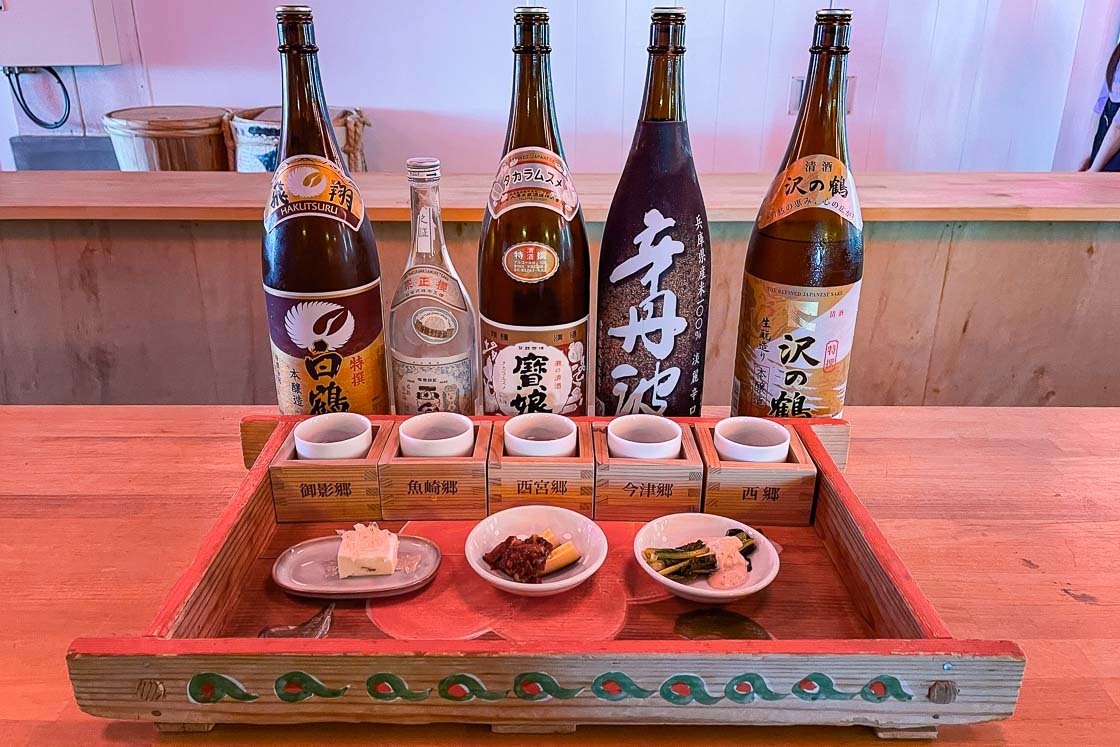
If you want a short cultural outing that combines Japanese food history, brewery visits, and easy rail travel, Itami and Nada make a strong sake-focused day trip in Hyogo Prefecture. The two districts are closely linked to Japan’s sake story, but they offer different experiences: Itami is compact and easy to explore on foot, while Nada stretches along the waterfront near Kobe and is known for large-scale brewing and shipping history.
Together, they work well as a route for travelers who want to follow sake from its origins and early development to the way it was stored, transported, and served.
Why Itami and Nada matter in Japanese sake history
Sake has a very long history in Japan, with records going back many centuries. The style that became the foundation of modern Japanese sake developed from the 17th century onward.
Itami is associated with the origin of filtered, clear sake in 1600, which makes it an important stop for understanding how sake changed from the cloudy form once commonly drunk.
Nada, meanwhile, is one of the country’s major sake regions. It produces almost 25 percent of Japan’s total sake and is known for the large number of breweries clustered along the waterfront.
Both districts are also connected by geography. They sit near the Rokko mountains, whose cold winter air and quality water were important to brewing before modern temperature control. The area is also tied to rice cultivation, including Yamada Nishiki, a sake rice variety that was successfully produced in Hyogo Prefecture in 1936 and later became the most widely used sake rice in the country.
A practical way to approach the trip
The easiest way to think about this outing is as a two-part route.
- Start in Itami if you want a compact walkable area with a museum, a preserved merchant and brewery residence, and a look at one of the city’s remaining breweries.
- Continue to Nada if you want a broader district with several brewery areas, museum stops, barrel-making culture, and a final tasting stop.
Because the sightseeing points in Itami are close together, it works well as the first half of the day. Nada then adds a fuller brewery-and-tasting experience near central Kobe.
What to see in Itami
Itami City Museum of Art, History and Culture and the former Okada Residence
A useful first stop in Itami is the Itami City Museum of Art, History and Culture. Beyond the museum spaces, the grounds include the former Okada Residence, a preserved merchant home and sake brewery from the 17th century.
The residence is open to visitors without charge, and it gives a close look at traditional merchant architecture, sake-making equipment, and excavated remains of rice-steaming stoves. The building was expanded over time, which reflects changes in brewing techniques and increases in production.
The walkable main street
From the former residence, it is only a short walk to the street that links the two stations serving central Itami. This street used to have many sake breweries, but only two remain in the city today. Even so, the main street itself is worth walking because it keeps the area’s brewing identity visible.
Sake water and the remaining breweries
One of the remaining breweries in Itami makes its sake water source available to the public for free. That makes this a good place to pause and observe a very local part of sake culture: people coming to fill their bottles directly.
The other notable stop is Konishi Brewing Company, one of the two remaining breweries in Itami and one of Japan’s oldest sake companies. Its Shirayuki Brewery Village Chojugura sits on the main street and combines a sake museum on the upper floor with a craft beer brewery and restaurant on the ground floor.
Inside the museum, visitors can see old brewing equipment and animated explanations of how the process works. The restaurant then adds the chance to taste both sake and craft beer in a setting tied to a long brewing history.
What to see in Nada
A larger brewing district
Nada is very different from Itami in scale. The district stretches over ten kilometers from east to west and contains five sake areas with more than 25 breweries along the waterfront.
That concentration is a big part of why Nada is so closely associated with sake tourism. It is also a district where transport and shipping history matter as much as the breweries themselves.
Sawanotsuru
A good first stop in Nada is Sawanotsuru, a brewery with a history of more than 300 years. Its museum displays actual brewing equipment and videos explaining traditional sake-making techniques. The museum also includes sake songs, which adds a distinctive sound element to the visit.
One display shows a model of the ship that once carried sake from Nada to Edo, now Tokyo. This helps explain why the district became so important: its waterfront location made it easier to send sake by ship, and the journey also allowed the sake to mature in barrels during transport.
Kiku-Masamune Taru Sake Meister Factory
Another key stop is the Kiku-Masamune Taru Sake Meister Factory, operated by Kiku-Masamune Sake Brewing. This is where visitors can watch artisans making cedar barrels the traditional way, alongside a museum with brewing equipment.
Reservations are required, and there are three tours per day. The experience is especially interesting if you want to understand the craft behind wooden barrels and see how barrel construction works without nails.
Nadagogo Sakedokoro
To finish the day, Nadagogo Sakedokoro offers a different kind of sake experience: a standing sake bar in a warehouse setting.
The menu includes only Nada sake, and many of the drinks can be heated in a water bath so you can experience how sake changes at different temperatures. The food menu includes modern and fusion dishes that pair with the sake. The atmosphere is informal and interactive, with guests chatting while their drinks warm up.
For a day centered on tasting, this is a good place to end because it brings the route back from museums and history to drinking culture itself.
How to get to Itami from Osaka or Kobe
Itami is served by JR and Hankyu Railway, and the city center is bounded by the JR Takarazuka Line on one side and the Hankyu Itami Line on the other. The main street connecting the two stations takes about ten minutes to walk, and the main sights on this itinerary are close to that street.
From Osaka Station, take the JR Takarazuka Line toward Shin-Sanda or Sasayamaguchi and get off at Itami Station.
From Osaka-Umeda Station, take the Hankyu Kobe Line toward Kobe and transfer at Tsukaguchi Station to the Hankyu Itami Line.
From Sannomiya Station in Kobe, take the JR Kobe Rapid Line toward Osaka and transfer at Amagasaki Station to the JR Takarazuka Line.
From Kobe-Sannomiya Station, take the Hankyu Kobe Line toward Osaka-Umeda and transfer at Tsukaguchi Station to the Hankyu Itami Line.
How to get around the Nada district
Nada is best approached from central Kobe. The district runs east to west over a long distance, and the Hanshin Main Line is the key rail line for reaching the area.
A simple route is to begin at Oishi Station for Sawanotsuru, then continue to Uozaki Station for Kiku-Masamune, and finish by walking to Mikage Station after Nadagogo Sakedokoro for the return to central Kobe.
The important point for travelers is that Nada is less of a compact walking district than Itami. Planning the rail hops in advance will make the day much smoother.
Tasting sake in a useful way
One of the best things about this itinerary is that it does not treat all sake as the same. In Nada, you can taste sake in different ways, including heated servings at Nadagogo Sakedokoro, which makes it easier to notice how the flavor changes with temperature.
That gives the day-trip experience a practical learning angle. Instead of just visiting breweries, you can compare how sake tastes in a museum setting, in a brewery restaurant, and as a warmed drink in a standing bar.
Who this trip is best for
This route is a good fit for travelers who:
- want a sake day trip from Osaka or Kobe
- enjoy Japanese food and drink history
- prefer a self-guided route with clear rail access
- want both museum visits and tasting opportunities
- are interested in seeing how brewing, storage, and transport shaped sake culture
It is especially appealing if you want one day that shows both the historical depth of sake and the everyday culture around it.
FAQ
What is the difference between Itami and Nada for sake visitors?
Itami is the smaller, more walkable district and is associated with the origin of filtered, clear sake. Nada is much larger, produces almost 25 percent of Japan’s sake, and has multiple brewery areas along the waterfront.
Can you visit Itami and Nada in one day?
Yes. The itinerary works well as a two-part day trip, starting in Itami and continuing to Nada.
How do you get to Itami from Osaka or Kobe?
You can reach Itami by JR or Hankyu Railway from both Osaka and Kobe, with route options via Osaka Station, Osaka-Umeda Station, Sannomiya Station, or Kobe-Sannomiya Station.
How do you get around the Nada sake district?
The Hanshin Main Line is the key rail line for Nada. The district is long, so it is best to combine station-to-station travel with short walks between breweries.
What can you see at sake museums in Itami and Nada?
In Itami, the former Okada Residence shows merchant and brewery spaces, brewing tools, and rice-steaming stove remains. In Nada, Sawanotsuru and Kiku-Masamune both have museum displays focused on brewing equipment and traditional techniques.
Is Nada a good place for first-time sake travelers?
Nada offers a clear introduction to brewery culture because it combines museum displays, barrel-making, shipping history, and tasting in one district.
Do you need reservations for any brewery visits?
Reservations are required for the Kiku-Masamune Taru Sake Meister Factory.
A good way to end the day
If you are building a food-and-culture itinerary around Osaka or Kobe, Itami and Nada make an easy route to follow. Itami gives you the story of clear sake and a compact historic center, while Nada adds larger-scale brewing, shipping history, and a memorable final tasting stop.
If you want help shaping this into a half-day or full-day plan, it can be worth turning the route into a custom itinerary based on your base city and pace.