How to Experience Buddhist Culture in Nara Through Kohfukuji and Hands-On Traditions
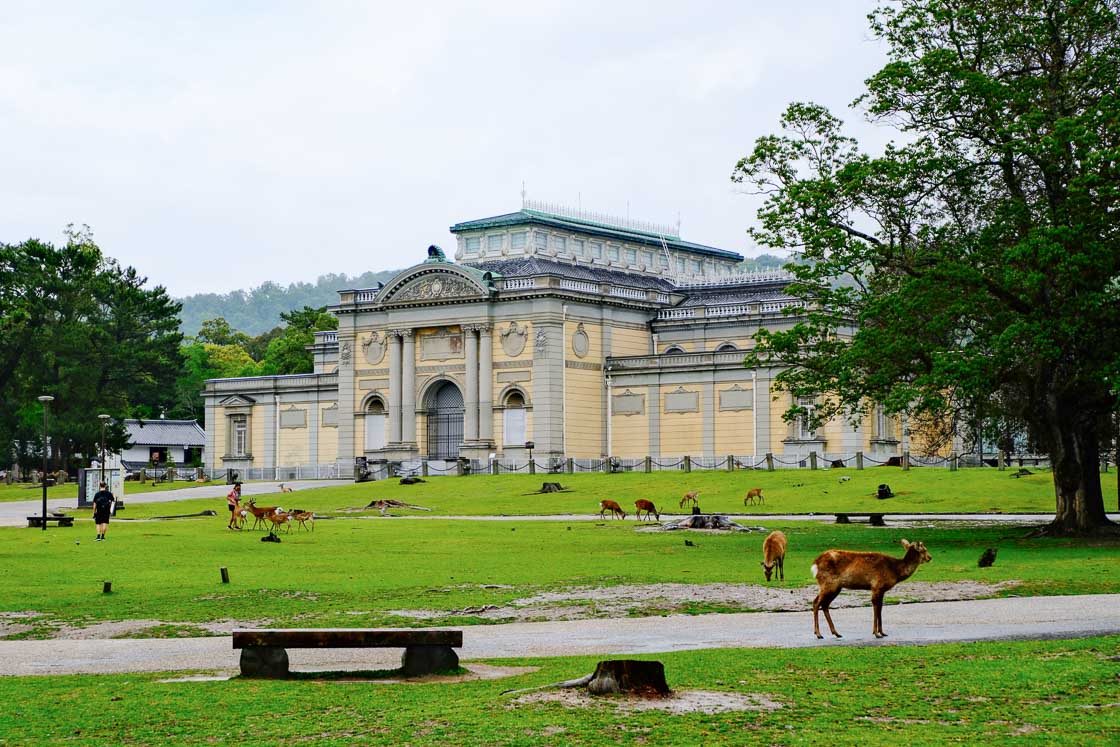
Nara can feel packed with history from the moment you arrive. It is known for its deer, but it is also closely tied to Japanese Buddhism, and that combination can leave travelers unsure where to start. A good way to make sense of it is to focus on one temple, then add a few hands-on cultural experiences nearby. Kohfukuji Temple works well as the anchor for that kind of trip.
Why Kohfukuji is a strong starting point
Kohfukuji sits at the entrance of Nara Park, so it is part of the city’s everyday flow. The temple was established in 710 as the ancestral temple of the Fujiwara family, and it now has more than 100 cultural properties and National Treasures. That makes it a useful place to begin if you want to understand Buddhist culture in Nara without trying to absorb everything at once.
It is also easy to reach on foot: roughly 15 minutes from JR Nara Station and about 5 minutes from Kintetsu Nara Station. Both stations connect easily from Kyoto or Osaka, which makes Kohfukuji a practical base for a day in the area.
What to see at Kohfukuji
Several parts of the temple help explain why it matters so much in Nara. The Southern Round Hall and the Central Golden Hall are familiar landmarks in the Nara Park area, and they give visitors a strong first impression of the temple grounds.
The Five-storied Pagoda is another key feature, but it is currently hidden behind scaffolding while major repairs are carried out. Even in that state, it remains part of the temple experience because it reflects the scale and age of the site. The pagoda was first erected in 730, while the current structure dates to 1426. It has not been rebuilt for about 120 years, and the ongoing restoration is meant to keep it standing for many more years.
If you want more context before or after walking around the grounds, the Nara National Museum’s Buddhist Sculpture Hall is a strong companion visit.
Add context at the Nara National Museum
The Buddhist Sculpture Hall helps visitors understand the temple world through objects rather than architecture alone. Its collection spans centuries of Buddhist art, from small devotional pieces to very large guardian figures. English labels throughout the museum make the displays more approachable, and the underground corridor linking the East and West Wings adds interactive material about the features and construction of Buddhist statues.
This kind of visit is especially useful if you want more than a quick temple photo stop. It gives you a clearer way to read what you later see at Kohfukuji itself, from statue detail to the emotional expression built into the forms.
Hands-on experiences nearby: ink and calligraphy
One of the best ways to make Buddhist culture feel more tangible is to spend time with ink and calligraphy. Ink has deep historical ties to Nara and to the spread of Buddhism, since copying Buddhist sutras helped drive demand for it in ancient times. Kohfukuji later became a major center of ink production, and that legacy still shapes the area today.
Kinkoen, in the Naramachi area, specializes in solid ink, which must be ground before use. The workshop experience is not just about making something to take home. It also introduces the slower, more deliberate side of calligraphy practice, where the grinding motion itself becomes part of the ritual.
After that, Isshindo is a useful stop for anyone who wants to continue practicing. The shop sells ink, inkstones, paper, and brushes, and the staff can suggest materials for beginners. They also help travelers think about which tools are practical to carry home in a suitcase.
For travelers looking for things to do in Nara beyond deer, this pairing works especially well because it combines a historic craft tradition with something you can continue after your trip.
Tea ceremony and tea-whisk making in the Nara area
Tea ceremony fits naturally into a Buddhist-themed itinerary because of its focus on attention, rhythm, and the present moment. In the Takayama area of Ikoma, the Tanimura family has made tea whisks for almost 500 years, and Tanimura Tango, the twentieth generation head of the family, offers tours and workshops by reservation.
The experience includes a demonstration of how the whisks are made, time in a traditional tea room, a look at the garden, and the chance to prepare matcha with a tea whisk. An optional workshop also allows visitors to thread their own whisk.
This is a good choice if you want a calmer, more reflective part of your Nara itinerary. It also connects naturally with the broader theme of Buddhist culture in Nara, since the tea ceremony places emphasis on mindfulness and the uniqueness of each moment.
Evening culture: Takigi O-Noh at Kohfukuji
If your schedule allows, Kohfukuji also offers a night-time cultural layer through Noh. The temple’s Takigi O-Noh has roots in early Buddhist firelight performances, when folk arts were first offered by firelight to the Buddha. Today, it is presented as a fireside theater tradition at Kohfukuji.
The event takes place for two nights every May, and live English commentary is available via a webpage, which makes it easier to follow even if you are new to Noh. That support can be especially helpful because Noh is often subtle and non-linear, and the symbolism may not be immediately obvious to first-time viewers.
Kohfukuji also holds another nighttime Noh performance called Toei Noh on the first Saturday of October. For that event, the stage is offered directly to the principal object of worship, creating a quiet and contemplative atmosphere with no applause.
If you are interested in Noh performance in Nara, these two events show how the temple’s Buddhist setting shapes the experience.
Practical planning for a one- or two-day visit
A focused one-day plan can begin at Kohfukuji, continue to the Nara National Museum, and then move into a hands-on workshop in Naramachi. If you have a second day, tea ceremony or tea-whisk making in the Takayama area adds another layer of craft and meditation.
Kohfukuji is central enough that you can return to it more than once during a short stay. That is helpful because the temple offers more than one way to engage with it: through its halls and pagoda, through the museum context nearby, through craft workshops, and through evening performances.
A practical route might look like this:
- Start at Kohfukuji for the temple grounds and major buildings.
- Visit the Nara National Museum’s Buddhist Sculpture Hall for background.
- Spend the afternoon on ink, calligraphy, or another nearby workshop.
- If your timing matches, return in the evening for Takigi O-Noh or Toei Noh.
- Use a second day for tea ceremony and tea-whisk making in the Nara area.
Who this kind of trip suits best
This approach is best for travelers who want more than a checklist of temples. It suits visitors who want to understand Buddhist art and architecture in Nara, and who prefer experiences they can actively take part in rather than only observe.
It also works well if you want to slow down the pace of a Nara visit. The combination of temple history, sculpture, ink, calligraphy, tea, and Noh creates a trip that feels immersive without needing complicated logistics.
Tips for planning
A few details are worth keeping in mind:
- Kohfukuji is easy to reach on foot from both major Nara stations.
- The Five-storied Pagoda is under restoration, so part of the experience is seeing how the temple is being preserved.
- Reservations are encouraged for some experiences, including the tea-related visit in the Nara area, and the Tanimura family’s tours and workshops require advance booking.
- The Kohfukuji Temple Tourism Visual Guide can help you see inside the temple buildings even when they are not open.
- If you want to see Takigi O-Noh, check the current schedule and access details before you go.
FAQ
What is the best way to experience Buddhist culture in Nara if I only have one or two days?
Focus on Kohfukuji as your base, add the Buddhist Sculpture Hall at the Nara National Museum, and choose one or two nearby hands-on experiences such as ink making, calligraphy, or tea ceremony.
Is Kohfukuji Temple easy to reach from JR Nara Station or Kintetsu Nara Station?
Yes. It is about a 15-minute walk from JR Nara Station and about a 5-minute walk from Kintetsu Nara Station.
Can visitors understand Kohfukuji better while the Five-storied Pagoda is under restoration?
Yes. The pagoda is hidden by scaffolding, but the temple still offers context through its halls, the museum nearby, and the Kohfukuji Temple Tourism Visual Guide.
What cultural activities near Nara Park pair well with a temple visit?
Ink workshops, calligraphy shopping and guidance, tea ceremony and tea-whisk making, and nighttime Noh performances all pair well with a temple-focused visit.
Is there an English-friendly way to enjoy Noh performance at Kohfukuji?
Yes. Live English commentary is available via a webpage for Takigi O-Noh.
Do I need reservations for the ink workshop or tea-whisk-making experience?
The tea-related experience requires reservations in advance, and the workshop details for other activities should be checked before you go.
What makes Nara a good place for calligraphy and ink-related experiences?
Nara has a long connection to ink production, calligraphy, and the spread of Buddhism, which makes it a meaningful place to explore these traditions.
Can tea ceremony experiences in Nara be combined with a temple-focused itinerary?
Yes. Tea ceremony fits naturally into a Nara Buddhist culture itinerary, especially when combined with Kohfukuji and nearby craft experiences.
For travelers planning a deeper cultural stay, this kind of route can become the basis for a thoughtfully curated Nara itinerary that balances temples, workshops, and evening performances.