Asakusa Food Guide: 7 Classic Sweets and Snacks Near Sensoji Temple
Asakusa is one of Tokyo’s most rewarding areas for a short food-focused sightseeing walk. Around Kaminarimon Gate and Sensoji Temple, you can find long-running shops selling traditional sweets, souvenir treats, and a few savory snacks that fit neatly into a half-day visit. The best approach is simple: choose a few stops, enjoy them at the shop or in designated spaces, and keep moving through the historic streets at an easy pace.
Why Asakusa works so well for a food walk
This part of Tokyo combines major sights with old, established food shops, so you can move from temple views to classic Japanese snacks without leaving the neighborhood. Many of the featured places are within walking distance of Asakusa Station and the Sensoji area, which makes it easy to build a compact route around a few tasting stops.
A key thing to keep in mind is that eating while walking in the shopping district around Sensoji Temple is prohibited. That means Asakusa is best enjoyed as a stop-and-sit food area rather than a constant snack-and-stroll district. If you plan ahead, that rule actually makes the experience calmer and more enjoyable.
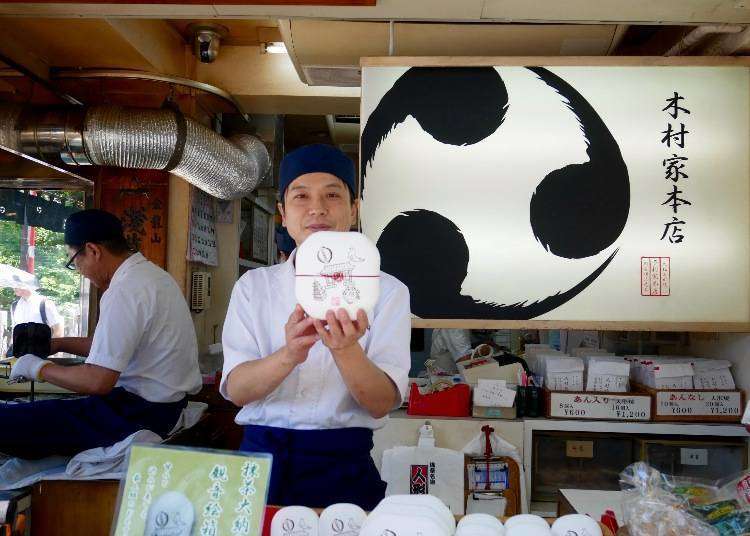
1) Ningyo-yaki at Ganso Kimura-ya
If you want one of the most iconic Asakusa sweets, start with ningyo-yaki at Ganso Kimura-ya. This is the oldest ningyo-yaki shop in Asakusa, and the sweets are made in shapes that include a five-storied pagoda, Raijin, a paper lantern, and a dove.
Ningyo-yaki is a traditional baked sweet made with flour, eggs, and sugar. The version here has a delicate, firmer texture, and it is sold in a cute paper box that works well as a souvenir. You can also buy it without the box if you want something just for yourself.
For travelers choosing between snacks, this is a strong first stop if you want something closely tied to Asakusa’s identity and easy to take away.
2) Imo yokan at Funawa
Funawa is another classic name in Asakusa, and its imo yokan is one of the area’s best-known traditional sweets. The shop has a long history and sells several kinds of wagashi, including anmitsu and kuzumochi, in addition to its sweet-potato-based specialty.
The imo yokan is made with sweet potatoes, with only a little salt and sugar added. No food coloring, flavoring, or preservatives are used, so the flavor stays close to the natural sweetness of the potato. It is described as having a smooth, balanced texture that is easy to eat.
This is a good stop if you want a more understated Tokyo wagashi experience rather than a baked cake-style sweet.
3) Kaminari okoshi at Tokiwado Kaminari Okoshi Honpo
For a souvenir sweet with deep Asakusa roots, Kaminari okoshi is one of the most practical choices. This traditional treat was created in Asakusa during the Edo period and has long been associated with the Kaminarimon area.
Tokiwado Kaminari Okoshi Honpo has been operating for about 250 years, and its assortment includes several flavors and styles. The pieces are sold in bags, and the larger bag is the better choice if you want variety. The pieces are individually wrapped, which also makes them easy to share or bring home.
If your goal is to buy one snack that feels distinctly tied to Asakusa and also travels well, this is an especially useful stop.
4) Silk-soft pudding at Asakusa Silk Pudding
Asakusa Silk Pudding is a newer dessert stop near Sensoji Temple and is known for its very smooth texture. The shop offers more than ten types of pudding, including a premium plain version made with carefully selected ingredients.
The pudding is notable for its soft, silky consistency and for the caramel sauce at the bottom, which adds another layer of flavor. If you want something that feels different from classic wagashi while still fitting easily into an Asakusa snack walk, this is a natural choice.
This stop works well when you want a dessert you can enjoy immediately rather than pack away.
5) Jumbo melon pan at Kagetsudo
Kagetsudo is known for its Jumbo Melon Pan, and the standout feature is its unusually soft texture. The bread is made with a fermentation process that takes much longer than normal bread, and the shop adjusts the process daily according to weather, temperature, and humidity.
That soft, fluffy style is what sets it apart from typical melon buns. Kagetsudo also offers a version with matcha ice cream, which gives you a hot-and-cold combination in one snack.
If you are trying to decide what to eat first, this is a good pick when you want a bakery-style sweet rather than a traditional Japanese confection.
6) Menchi cutlet at Asakusa Menchi
Not every worthwhile stop in Asakusa has to be sweet. Asakusa Menchi offers a juicy fried minced meat cutlet that adds a savory contrast to the neighborhood’s dessert-heavy lineup.
The cutlet is made with beef and Koza buta pork, then fried until hot and crisp. The shop notes that the cutlet is very juicy, so it is best eaten carefully. You can eat inside the shop or in the space provided to the left of the shop.
This is the best option if you want something filling and savory during a sweets-and-snacks walk.
7) Onigiri at Asakusa Yadoroku
If you want a more substantial stop, Asakusa Yadoroku is an excellent final choice for a food walk. It is the oldest onigiri-only shop in Tokyo and has a small, traditional atmosphere behind Sensoji Temple.
The shop serves around ten types of onigiri, all handmade on site. Because the rice balls are prepared individually, it is also an appealing place to slow down and watch the process from the counter.
This stop is especially useful if you want to turn a snack crawl into a light meal. It is also a strong option for travelers who prefer savory food over sweets.
How to choose the right stops
If you only have time for a few places, think in terms of what you want to bring home versus what you want to eat right away:
- Best for souvenirs: Kaminari okoshi, ningyo-yaki
- Best for immediate dessert: Silk Pudding, Kagetsudo
- Best for a savory break: Asakusa Menchi, Asakusa Yadoroku
- Best for classic wagashi: Funawa
That mix makes it easy to build a walk that fits your taste instead of trying to sample everything.
Practical tips for eating in Asakusa
A few simple planning habits make an Asakusa snack walk smoother:
- Expect to eat at the shop or in designated spaces rather than while walking.
- Start earlier in the day if you want more time for multiple stops.
- If you want Kagetsudo, it is sensible to treat it as a timed stop because the shop operates until the Jumbo Melon Pan are sold out.
- If you want a light meal rather than just sweets, include onigiri or the menchi cutlet.
- For souvenirs, choose items that are individually wrapped or boxed.
Because the area mixes takeaway sweets with sit-down bites, it works best when you decide in advance whether your priority is snacking, gifting, or replacing a meal.
A simple Asakusa food walk plan
A balanced half-day route could look like this:
- Start near Kaminarimon Gate and pick up Kaminari okoshi.
- Move on to ningyo-yaki for another classic Asakusa sweet.
- Choose either Silk Pudding or Kagetsudo for a fresh dessert stop.
- Add Asakusa Menchi if you want something savory.
- Finish with Asakusa Yadoroku if you want to turn the walk into a fuller meal.
If you prefer a more traditional sweets route, swap in Funawa and focus on wagashi instead of bakery items.
FAQ
What traditional foods is Asakusa famous for?
Asakusa is especially associated with ningyo-yaki, Kaminari okoshi, imo yokan, onigiri, and other classic sweets and snacks around Sensoji Temple and Kaminarimon Gate.
Which Asakusa snacks are best for souvenirs?
Kaminari okoshi and ningyo-yaki are both good souvenir-style choices because they are packaged for takeaway.
Can you eat while walking around Sensoji Temple?
No. Eating while walking in the shopping district around Sensoji Temple is prohibited, so plan to eat at the shop or in designated spaces.
Which Asakusa food spots are closest to Asakusa Station?
Ganso Kimura-ya, Funawa, Tokiwado Kaminari Okoshi Honpo, Asakusa Silk Pudding, Kagetsudo, and Asakusa Menchi are all listed as a 3-minute walk from Asakusa Station, while Asakusa Yadoroku is listed as a 7-minute walk.
What is ningyo-yaki and where can I try it in Asakusa?
Ningyo-yaki is a traditional sweet made from flour, eggs, and sugar with a delicate, firmer texture. In Asakusa, the oldest shop mentioned is Ganso Kimura-ya.
Which Asakusa snack is best if I want something savory instead of sweet?
Asakusa Menchi and Asakusa Yadoroku are the best savory options in this guide. The first is a fried minced meat cutlet, and the second serves handmade onigiri.
If you are planning a Tokyo day in Asakusa, this is an easy area to customize into a short sweet-and-snack crawl, or even a fuller food route that fits neatly between sightseeing stops.