5 Japan Travel Customs That Surprise First-Time Visitors
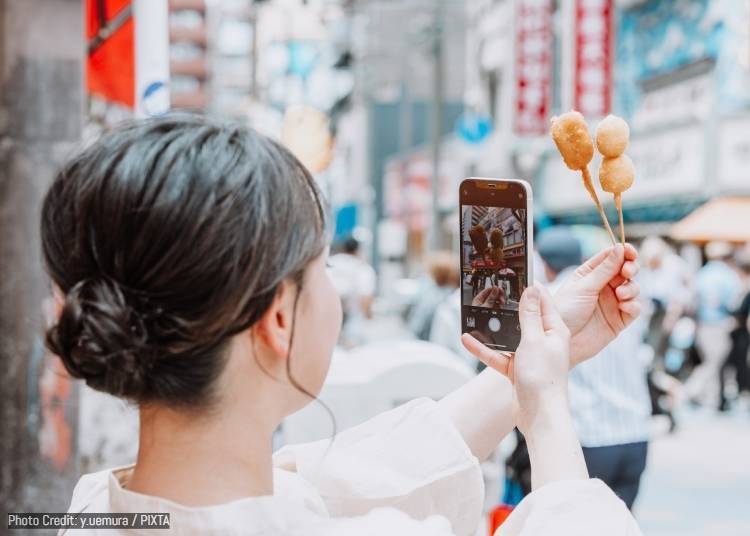
Japan is full of familiar travel pleasures, but some everyday habits work differently than many first-time visitors expect. Small things like how you eat, where you leave trash, or how you behave on a train can make a big difference to how comfortable and respectful your trip feels.
The good news is that most of these customs are easy to handle once you know what to look for. A few simple adjustments can help you avoid awkward moments in festivals, shopping streets, convenience stores, and public transport.
Why everyday etiquette matters in Japan
Japanese travel customs are not about making sightseeing difficult. They are mostly about keeping public spaces orderly, quiet, and considerate for the people around you. That is why travelers often notice different expectations in places such as busy food stalls, small shops, and trains.
If you are planning your first trip, it helps to think of etiquette as part of the travel experience rather than as a set of rules to memorize. A little awareness goes a long way.
1) Eating while walking is not the default
At festivals and food stalls, it can be tempting to buy a snack and keep moving. In Japan, though, it is generally more thoughtful to stop somewhere and finish eating before walking on, even in busy areas.
This matters for practical reasons too. Staying in one spot helps avoid spills, dropped food, and crowding, especially if you are holding skewers or hot dishes. Many festivals provide designated eating areas or trash bins near the stalls, so look for those first.
A helpful habit is to finish your food near the stall where you bought it and then return wrappers, trays, or skewers there rather than passing them to another vendor.
Simple do-and-don’t
- Do pause and finish your food before moving on when possible.
- Do look for eating areas or bins near festival stalls.
- Do return disposable items to the original stall if that is how the area is organized.
- Don’t assume eating while walking is always the most polite choice.
2) Public trash cans can be hard to find
Many visitors notice that Japan can feel extremely clean even though public bins are not always easy to spot. That often means you should plan to carry your own rubbish until you find an appropriate place to dispose of it.
A small plastic bag in your daypack is very useful for wrappers, tissues, and other bits of trash while you are sightseeing. It is also smart to ask the vendor where to throw away packaging if you bought food or a snack nearby.
One thing to be careful about: some convenience stores restrict their bins to waste from products purchased there, so do not assume every bin is meant for outside trash. For bottles and cans, you may also find dedicated recycling bins beside vending machines.
Simple do-and-don’t
- Do carry a small bag for rubbish.
- Do ask the vendor if you are unsure where packaging should go.
- Do look for recycling bins near vending machines.
- Don’t rely on finding a public bin everywhere.
- Don’t automatically use a convenience store bin for outside trash.
3) Cash payment may work differently than you expect
If you are used to handing cash directly to the cashier, payment in Japan can feel unfamiliar at first. At many convenience stores, supermarkets, and drugstores, automatic or semi-automatic registers are common, and you may need to insert bills and coins yourself or pay by card or mobile payment.
At smaller shops with traditional registers, look for a cash tray on the counter. Instead of placing money directly into the cashier’s hand, set it on the tray. Once you know whether the register is machine-based or tray-based, the process becomes much easier.
This is one of the most useful Japan travel customs to notice early, because it helps transactions stay smooth and respectful in daily life.
Simple do-and-don’t
- Do look at the register before paying.
- Do use the tray if one is provided.
- Do be ready for self-service payment at some shops.
- Don’t assume cash is always handed directly to staff.
4) Ask before photographing people
Travel photos are part of the fun of being in Japan, especially when the streets, shops, and festivals are full of interesting details. But photographing strangers without permission can feel intrusive, particularly when children are involved.
Privacy and portrait rights are taken seriously, so it is best to be careful when a person becomes the main subject of your photo. It is also wise to pay attention to identifying details such as house nameplates and vehicle license plates before sharing pictures online.
A simple rule is usually enough: enjoy the scene, but ask first when the focus is on a person.
Simple do-and-don’t
- Do ask before photographing people directly.
- Do be especially careful with children.
- Do consider blurring faces or identifying details before posting online.
- Don’t assume candid photos of strangers are fine.
5) Train etiquette is quieter than many visitors expect
Train etiquette in Japan often surprises first-time visitors because the atmosphere can be much quieter than they are used to. Loud nose blowing can attract attention, especially in quiet carriages, and constant sniffing can also be distracting.
A more considerate approach is to handle the problem discreetly. If you are dealing with a cold or allergies, wearing a mask and gently wiping or blowing your nose with a tissue is the safer option. If you really need to clear your nose properly, stepping off at the next station and using a restroom may be better.
The same quiet mindset applies more generally on trains: keep your phone on silent, avoid making calls, and speak softly.
Simple do-and-don’t
- Do keep your phone silent.
- Do speak quietly.
- Do handle nose issues discreetly.
- Don’t make calls on the train.
- Don’t blow your nose loudly if you can avoid it.
Quick recap for smoother travel
If you remember just a few Japan travel customs, make them these: stop to eat rather than assuming you should walk with food; carry your own trash until you find the right bin; check whether payment is through a machine or a tray; ask before photographing people; and keep trains quiet and considerate.
These are small habits, but they can make your trip feel much smoother. They also help you move through daily life in Japan with less stress and fewer misunderstandings.
FAQ
Is it rude to eat while walking in Japan?
It is generally more thoughtful to stop and finish eating before moving on, including at festival stalls.
Why are there so few trash cans in Japan?
Public trash cans can be hard to find, so travelers are often expected to carry their own trash until they find an appropriate place to dispose of it.
How do you pay at convenience stores and smaller shops in Japan?
Many convenience stores, supermarkets, and drugstores use automatic or semi-automatic registers. At smaller shops, cash is often placed on a tray rather than handed directly to the cashier.
Can I take photos of strangers in Japan?
It is best to ask first, especially if children are involved, because privacy and portrait rights are taken seriously.
What should I do if I need to blow my nose on the train?
Keep it discreet, use a tissue, and if needed step off at the next station and use a restroom.
Is it okay to bring outside trash into a convenience store bin?
Not always. Some stores restrict their bins to waste from products purchased there, so it is better to check or dispose of trash elsewhere.
Planning tip for first-time visitors
If you are still building your Japan itinerary, it helps to think about etiquette as part of your travel planning, not just something to remember on the spot. A few small habits can make busy sightseeing days easier and help you feel more confident in public spaces, shops, festivals, and on trains.
If you want your trip to feel especially low-stress, it can be useful to plan around these everyday customs before you go so you are not figuring them out in the moment.