2-Day Autumn Road Trip in Hyogo Prefecture: Best Foliage Stops, Castle Views, and Onsen
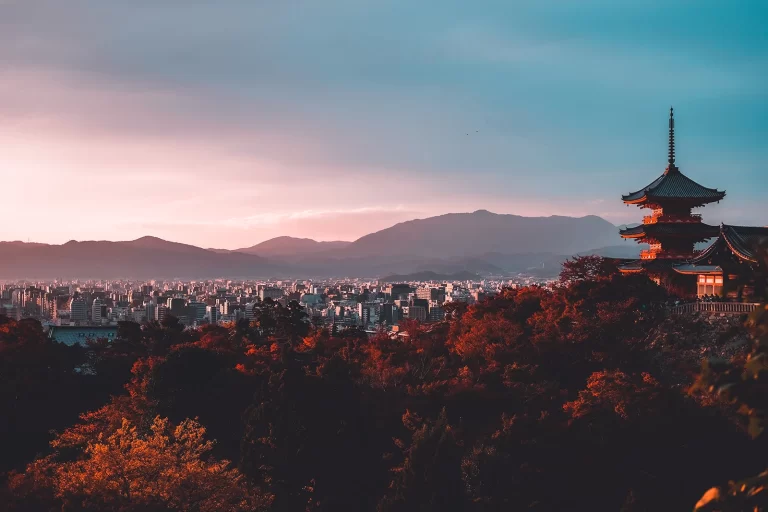
If you want one short Japan trip that combines autumn leaves, castle scenery, hot springs, and a coastal finish, Hyogo Prefecture is a strong option. The prefecture stretches from the Sea of Japan in the north to the Seto Inland Sea in the south, so the landscape changes quickly as you drive. That variety is exactly what makes a Hyogo Prefecture autumn road trip so appealing.
This two-day route starts in Kobe-Sannomiya and covers mountain scenery, historic towns, an onsen stay, castle ruins, a World Heritage castle, and a final stop by the harbor in Kobe. Because the stops are spread out, the trip works best as an autumn driving itinerary in Japan rather than a rail-based loop.
Why Hyogo works well for an autumn self-drive trip
Hyogo combines several types of scenery in one prefecture: mountains, coast, old castle towns, and hot spring resorts. That gives travelers a lot of variety without needing to change regions.
A car is the most practical way to cover this route. Public transportation is possible, but the spread between the stops makes it slower and less flexible. With your own car, you can move from foliage spots to castle towns and onsen areas at your own pace.
Kobe-Sannomiya Station is the main pickup point in this itinerary, and several rental agencies have branches there. If you are planning a two-day Japan road trip, this is a simple place to begin.
When to see autumn colors in Hyogo
The foliage window varies by location, but this route is built around the period from late October through early December. For the best timing on this itinerary:
- Izushi Castle Town: late October to mid November
- Genbudo Park: early November to early December
- Zuihoji Park: mid-late November
- Takeda Castle Ruins: mid-late November
- Himeji Castle area: mid-late November
- Meriken Park: mid November to early December
If you want the strongest leaf colors across the full route, mid to late November is the most balanced period.
Day 1: Kobe to mountain, castle-town, and onsen scenery
1) Zuihoji Park
Start the trip with a foliage stop near Arima Onsen. Zuihoji Park is known for its maple trees and autumn color, and the walking path around the mountain gate gives the park a calm, seasonal atmosphere.
There is no on-site parking, so you will need to use a nearby paid lot and walk about 10 minutes. This is the kind of stop where it helps to arrive with a loose schedule rather than rushing.
Plan for: about 1 hour
Best time for leaves: mid-late November
Parking note: nearby paid parking only
If you have time and start early, the drive along Prefectural Route 16 and the viewpoints on Mt. Rokko can add a scenic opening to the day.
2) Izushi Castle Town
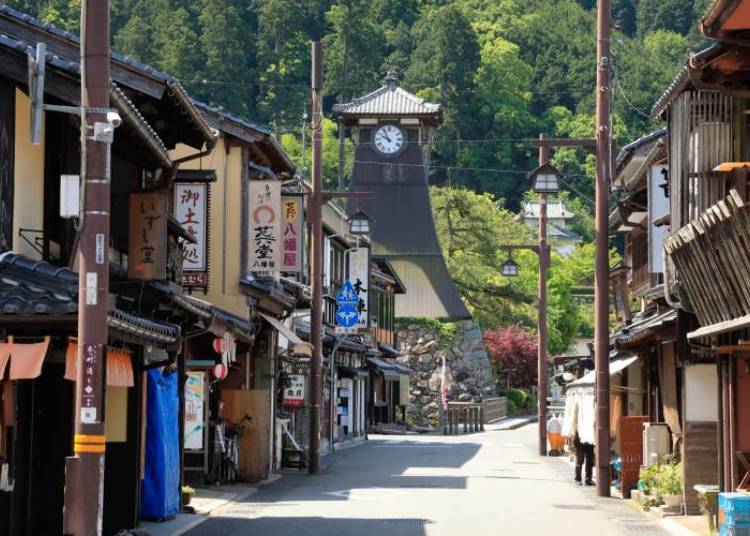
From Zuihoji Park, continue to Izushi Castle Town, a historic area often described as the “Little Kyoto of Tajima.” The appeal here is the blend of preserved streets, old buildings, castle ruins, temples, and autumn foliage.
The town is a relaxed place to walk, and the leaves around stone walls and traditional streets create a very strong seasonal feel. If your timing allows, you can also look into Izushi-ware ceramics workshops.
This is also a good place to stop for lunch. Izushi Sara Soba is the local specialty.
Plan for: about 1 hour 30 minutes
Best time for leaves: late October to mid November
Parking note: Otemae Parking Lot
3) Genbudo Park
The next stop adds a completely different landscape. Genbudo Park is known for its basalt column formations shaped by volcanic activity. The rock scenery is dramatic on its own, and the autumn foliage makes the park even more striking.
This is a good place to slow the pace and enjoy a natural landmark that is not just about leaves, but about the contrast between stone and color. The nearby museum is also worth considering if you have extra time.
Plan for: about 1 hour
Best time for leaves: early November to early December
Parking note: free parking
Overnight: Kinosaki Onsen
End the day in Kinosaki Onsen so you can enjoy the town more slowly in the evening and the next morning.
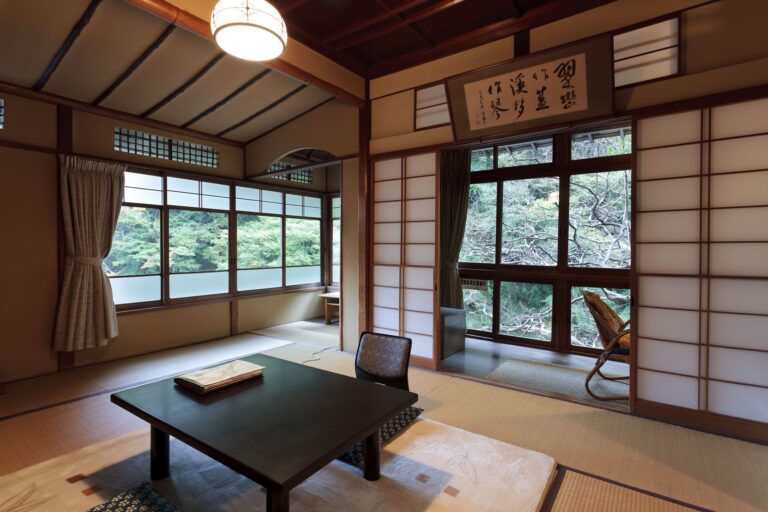
Kinosaki Onsen has a long history, seven public baths, and willow trees that turn red in autumn. The town is easy to enjoy on foot, especially if you stay in a traditional ryokan and walk around in a yukata.
This is one of the most natural overnight choices on the route because it gives the itinerary a clear rhythm: sightseeing by car during the day, then a slower onsen evening.
Where to stay in Kinosaki Onsen
The right stay depends on the type of trip you want.
- Solo travelers: Kinosaki Onsen HOSTEL Waraku is simple and positioned near the hot spring town. It does not provide meals, but it can guide guests to restaurants.
- Couples: Tsuki no Shizuku is an adults-only inn in a quieter area away from the center, with two private baths.
- Families: Oedo Onsen Monogatari Premium Kinosaki offers a wider range of facilities, including a manga corner, games corner, karaoke rooms, and room types suited to different group needs.
If your main priority is a calm overnight stop with easy evening strolling, Kinosaki Onsen is the most useful base on this route.
Day 2: From Kinosaki to mountain castle, world heritage, and Kobe harbor
4) Takeda Castle Ruins
Start early for the castle ruins. Takeda Castle Ruins sit on a mountain, and the walk from the parking area requires either a bus or taxi partway up the mountain, followed by a walk to the summit. If you prefer to walk the full way, it is about 2.5 km and takes about 45 minutes.
The site is best known for its “Castle in the Sky” image and the sea of clouds that can appear from autumn to winter. For that view, you need to observe the ruins from another mountain, and Ritsuunkyo Observatory is the recommended viewpoint.
This stop is especially rewarding in the early morning during foliage season, when the colored trees and cloud scenery can combine.
Plan for: about 2 hours
Best time for leaves: mid-late November
Parking note: free parking at the foot of the mountain
5) Himeji Castle
Continue south to Himeji Castle, one of Japan’s most important castles and a UNESCO World Heritage Site. In autumn, the contrast between the castle’s white tower and the surrounding leaves is the main draw, especially around Nishinomaru Garden.
This is a good place to allow extra time. The castle can involve a long wait to enter, and the grounds themselves are worth seeing even before you go inside. If you want the full experience, plan for both the tower and the surrounding landscape.
Plan for: about 2 hours 30 minutes
Best time for leaves: mid-late November
Parking note: paid parking with a time-based fee structure
6) Akashi Kaikyo Bridge
After Himeji, the route shifts toward the coast again. Akashi Kaikyo Bridge offers a change of pace after the castle and mountain scenery. The bridge stretches approximately 4 kilometers and is impressive both from a distance and from nearby viewpoints.
If you have time, the Bridge Science Museum and Maiko Marine Promenade add a closer look at the structure.
Plan for: about 1 hour
7) Meriken Park
Finish the road trip in Kobe at Meriken Park, a seaside space with open views, port landmarks, and a relaxed atmosphere. It is a fitting final stop because it brings the trip back to the city where you started.
The park includes the Kobe Port Tower and Kobe Maritime Museum, and the sea-facing plaza is a good place to slow down after two full days on the road. Autumn leaves are not the main feature here, but the harbor setting gives the itinerary a final scenic contrast.
Plan for: about 1 hour
Best time for leaves: mid November to early December
Practical driving and parking tips
This itinerary is built around a self-drive pace, so a few practical points matter.
- Start in Kobe-Sannomiya: It is the most practical rental car pickup point for this route.
- Use Mapcodes: Many destinations include Mapcodes, which can help with navigation in Japan.
- Double-check the number: A wrong Mapcode can send you to the wrong place.
- Expect some walking: Takeda Castle Ruins and some foliage spots require more walking than a simple roadside stop.
- Watch parking details: Several sites use paid lots, while Genbudo Park has free parking.
For Takeda Castle Ruins, the route to the summit is the most demanding part of the trip. The itinerary is not a trekking trip, but sturdy, non-slip sneakers are still a good idea. Sandals and high heels are not ideal for some of the unpaved paths.
What to pack for an autumn drive in Hyogo
From October onward, temperatures tend to drop, so a warm outer layer is useful. A jacket or sweater, plus a hat, will help you stay comfortable during outdoor sightseeing.
For footwear, choose walking shoes rather than dressy shoes. That matters most at places with uneven ground or longer walks.
Who this itinerary is best for
This route is a strong fit for travelers who want:
- a scenic Hyogo autumn foliage itinerary without needing to base themselves in one city only
- a Kobe to Kinosaki Onsen drive with varied stops along the way
- a mix of nature, historical towns, castles, and onsen in one short trip
- the flexibility that comes with renting a car in Kansai
It is less suitable if you want a slow, fixed-base trip with minimal driving.
How to use this as part of a longer Japan trip
The structure of this itinerary makes it easy to plug into a larger Kansai trip. You can begin in Kobe, spend one night in Kinosaki Onsen, and then return to Kobe after finishing the second day.
If you want a route that balances foliage, culture, and driving without feeling overly packed, this is one of the more practical ways to approach Hyogo in autumn.
FAQ
When is the best time to see autumn leaves in Hyogo Prefecture?
The route is designed around late October to early December, with mid to late November being the most useful window for the central stops.
Is it better to explore Hyogo by car or public transportation?
For this itinerary, a car is the more convenient option because the attractions are spread out across the prefecture.
What are the best autumn stops on a two-day Hyogo road trip?
The core stops in this itinerary are Zuihoji Park, Izushi Castle Town, Genbudo Park, Kinosaki Onsen, Takeda Castle Ruins, Himeji Castle, Akashi Kaikyo Bridge, and Meriken Park.
Can you visit Takeda Castle Ruins, Himeji Castle, and Kinosaki Onsen in one trip?
Yes. This two-day route connects them in a practical order, with Kinosaki Onsen as the overnight base.
Where should I stay overnight on this route?
Kinosaki Onsen is the recommended overnight stop because it works well as a base between the northern and southern parts of the itinerary.
Do I need to hike a lot at Takeda Castle Ruins?
There is a walk from the parking area to the summit. You can take a bus or taxi partway up, or walk the full route if you prefer.
Which Hyogo attractions are best for autumn foliage and scenery?
Zuihoji Park, Izushi Castle Town, Genbudo Park, Takeda Castle Ruins, and Himeji Castle are the strongest foliage stops on this route, while Meriken Park offers a scenic coastal finish.
Is Kinosaki Onsen a good base for an autumn itinerary?
Yes. It works especially well here because it sits naturally between the Day 1 and Day 2 sections of the route and adds an onsen stay to the trip.
Final thought
A Hyogo Prefecture autumn road trip gives you a lot of variety in just two days: maple-lined temple grounds, castle town streets, mountain ruins, a historic onsen town, a World Heritage castle, and a harborfront ending in Kobe. If you want a route that feels scenic, practical, and easy to adapt, this is a very workable place to start.
If you’d like, I can also help shape this into a custom Kansai itinerary based on your travel dates, driving comfort, and preferred pace.